When you're trying to wind down but your mind is still racing, it’s often because your eyes feel fried from a full day of screen time. The culprit? Artificial blue light from our devices, which is notorious for throwing our natural sleep-wake cycle completely out of whack.
The best blue light blocking glasses are the ones with distinctly orange or amber lenses. These are specifically engineered to filter out the high-energy light that triggers eye strain and messes with your sleep. For serious sleep improvement, orange-lensed glasses like those from Element Lux are the gold standard. If you just want something for evening relaxation, amber lenses strike a fantastic balance. Think of them as a simple but powerful upgrade to your nightly routine.
For thousands of years, our bodies relied on a simple cue: the setting sun. As the light dimmed, our brains would get the signal to start producing melatonin, the hormone that makes you feel sleepy. It was a perfect system.
But now, we have artificial suns in our pockets and on our desks. When you're scrolling on your phone or watching TV late into the evening, the bright blue light bombarding your eyes sends a very different message to your brain: "Hey, it's still daytime! Stay alert!"
This signal effectively hits the brakes on melatonin production, delaying the natural onset of sleep and creating a cascade of frustrating issues.
This hormonal disruption isn't just a minor inconvenience; it has a noticeable impact on how you feel. You might experience:
It's no surprise that as our screen time has gone up, so has the demand for a solution. The global market for blue light blocking glasses was valued at around USD 35.26 million in 2025 and is expected to nearly double to USD 65.61 million by 2034. People are catching on. You can check out the full blue light blocking glasses market trends here.
Let's quickly summarize the core problem and the solution.
This table breaks down how a simple pair of glasses directly addresses the issues caused by artificial light exposure at night.
| Common Problem from Blue Light | How Blue Light Blocking Glasses Help |
|---|---|
| Suppressed melatonin production at night. | Filters out blue light, allowing melatonin to be released naturally. |
| Difficulty falling asleep and a racing mind. | Helps your brain recognize it's evening, promoting relaxation. |
| Digital eye strain, headaches, and dry eyes. | Reduces the harsh, high-energy light reaching your eyes. |
| Waking up feeling tired and unrefreshed. | Supports deeper, more restorative sleep cycles. |
Ultimately, it's about reclaiming your evening.
Blue light blocking glasses are a practical, science-backed tool that creates an "artificial sunset" for your eyes. This allows your body to wind down and prepare for deep, restorative sleep, even if you’re still using your devices.
By filtering out these disruptive wavelengths, you're taking back control of your light environment. It’s a simple change that sets the stage for a better night's rest and a more energized tomorrow.
For a deeper dive into how different types of light impact our biology, feel free to explore the guides on the Element Lux blue light blog.
When your main goal is better sleep, not all blue light glasses are created equal. While lots of lenses offer some filtering, orange lenses are the undisputed champions for anyone serious about optimizing their rest.
They're specifically engineered to block nearly all blue light and a good chunk of green light—the exact wavelengths that hit the brakes on your body's melatonin production.
Think of it this way: putting on a pair of orange-lensed glasses is like creating your own personal sunset. It's a powerful visual cue that tells your brain the day is done and it's time to wind down. This works even if you're still reading on a tablet or wrapping up some work on your laptop.
The biology here is refreshingly simple. When you wear orange colored blue light glasses for at least 90 minutes before bed, you're shielding your eyes from the disruptive light in your environment. This shield allows your pineal gland to get the message that darkness has fallen, which kicks off the natural release of melatonin. It’s not about forcing your body into sleep; it's about removing the artificial roadblocks stopping it from doing what it's built to do. The result is you fall asleep faster and spend more time in the deep, restorative stages of rest.
It’s clear people are catching on. The market for non-prescription blue light blocking glasses was valued at roughly $9.76 billion in 2021 and is expected to hit around $14.45 billion by 2025. That kind of growth shows a huge shift toward using technology to solve the very problems that technology created. You can dig deeper into this expanding market's data on cognitivemarketresearch.com.
Beyond just prepping you for sleep, orange colored blue light glasses offer immediate relief for tired, overworked eyes. The intense, high-energy visible (HEV) light blasting from our screens creates a kind of visual "noise." This forces the tiny muscles in your eyes to work overtime just to stay focused, leading to digital eye strain symptoms like dryness, headaches, and fatigue. Orange lenses cut right through that harsh glare, creating a much softer and more comfortable viewing experience. By filtering out the most jarring wavelengths, they give your eye muscles a chance to finally relax.
By dramatically reducing visual stimulation, orange-lensed glasses don't just protect your sleep cycle. They also help calm your nervous system, making them a fantastic tool for winding down after a stressful day.
Adding orange lenses to a solid nightly routine can be a game-changer. Here are the top ways to get your body and mind ready for quality sleep:
If a racing mind is keeping you up, pairing your glasses with relaxation techniques can make a huge difference.
While orange lenses are your best friend for a good night's sleep, their benefits start the second you put them on—especially if you're battling digital eye strain.
Picture the intense blue light from your screens as a kind of visual "noise." It’s harsh, it’s high-energy, and it puts your eye muscles on constant high alert. That relentless effort is exactly what causes the classic symptoms of eye fatigue: dryness, headaches, and that gritty, tired feeling after a long day in front of the computer. Your eyes are just plain overworked from processing an unnatural amount of intense light.
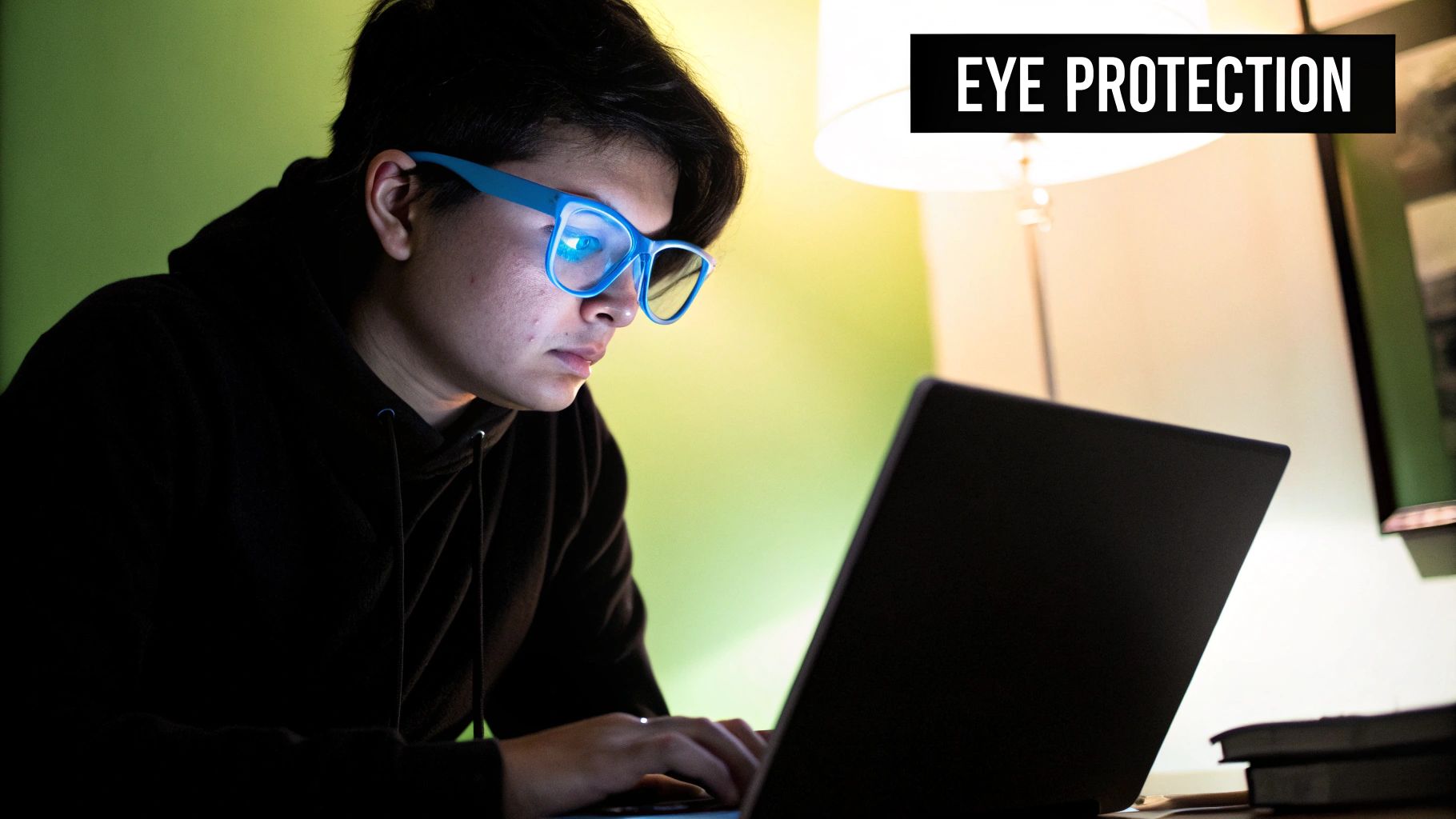
Think about how sunglasses cut the blinding glare on a sunny day. Orange lenses do the same thing for screen light. They slice right through the harshness, filtering out the most aggressive, high-energy wavelengths to create a visual experience that is significantly softer and more comfortable.
This filtering effectively creates a “digital comfort zone” for your eyes. With less harsh light to process, the tiny ciliary muscles in your eyes can finally relax, easing the constant tension that leads to headaches and strain.
By softening what your eyes have to take in, orange lenses do more than just protect them. They help calm your entire nervous system, making them a fantastic tool for winding down and de-stressing after a visually demanding day.
What about more casual evening activities, like watching a movie or reading on a tablet? For those times, amber blue light glasses let you relax and wind down by offering the perfect middle ground. They block a serious amount of blue light but still allow for better color perception than their deeper orange cousins. Imagine the warm, cozy glow of candlelight. Amber lenses replicate that feeling, transforming the stark, stimulating light of your screen into something much more soothing. This gentle shift is a game-changer for easing the transition from a busy day to a peaceful evening.
Pairing your glasses with a solid evening routine can dramatically improve your sleep. Here are four foundational habits to get you started:
If it's anxiety keeping you awake, a few simple practices can help quiet your mind before bed.
Orange lenses are the heavy hitters when you're serious about sleep. But sometimes, you just need to chill out without going into full sleep-prep mode. That’s where amber blue light glasses come in.
Think of them as the perfect middle ground for unwinding. They're ideal for those evenings when you want to watch a movie or read on your tablet—easing into the night without the intensity of a deep orange lens. Amber lenses are designed to block a good chunk of blue light, but they don't mess with your color perception nearly as much. The result is a noticeable, yet totally natural, shift in your environment that feels instantly calming.
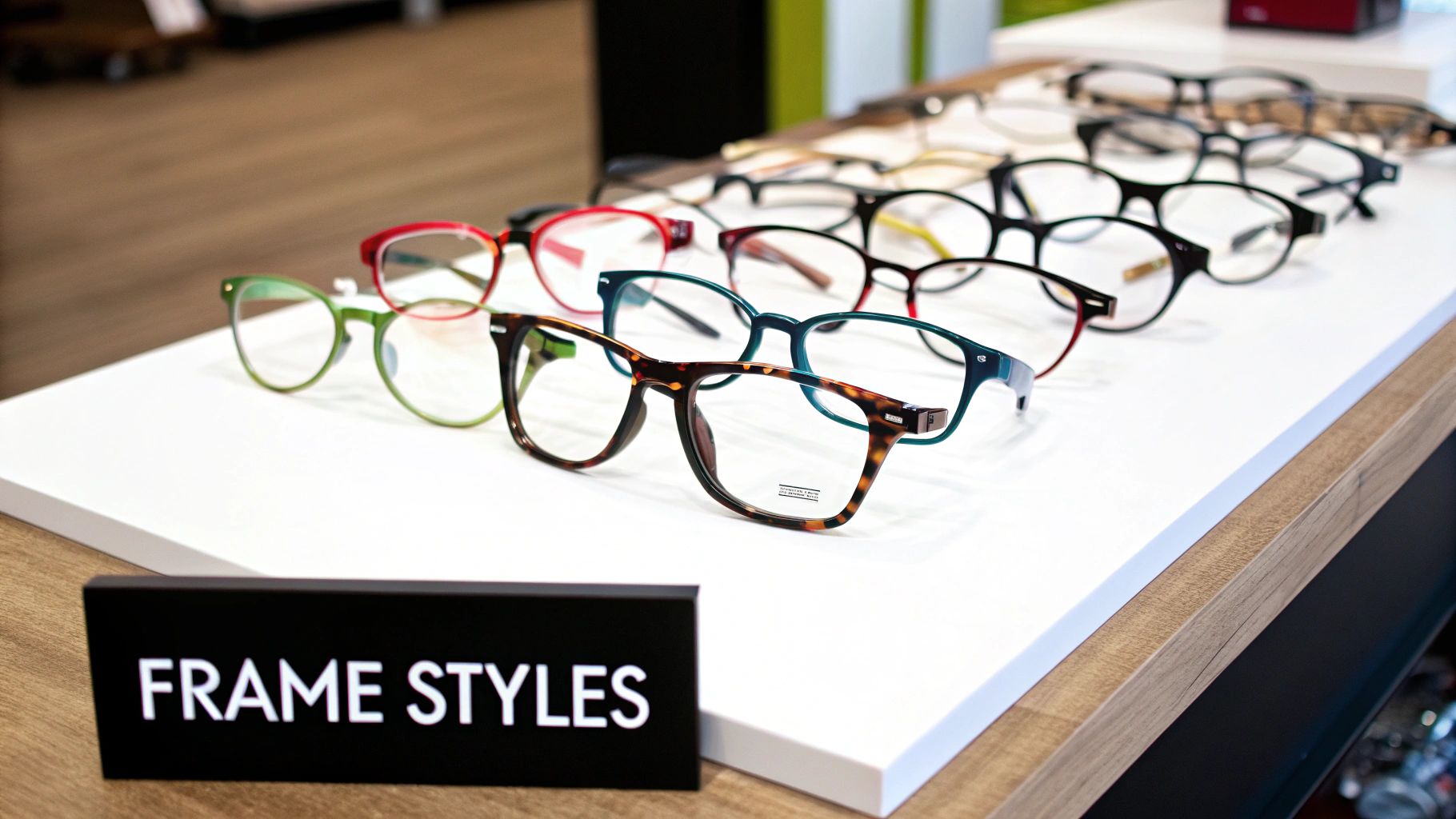
Ever notice how relaxing the warm glow of candlelight or a dim table lamp feels? Amber blue light glasses let you relax and wind down by creating that same atmosphere for your eyes, no matter what’s on your screen. They turn that harsh, stimulating blue and white light into a soft, warm hue.
This isn’t just about making your screen look nicer; it has a real effect on your body. By softening the light, you help soothe your nervous system, making it easier to shift gears from a busy, alert day to a state of rest.
Wearing amber glasses at night is like turning down the visual volume on the world. It helps calm an overstimulated mind, making it easier to switch off and get your body ready for sleep.
Adding amber lenses to a solid wind-down routine can make a huge difference in how well you sleep. Here are a few key strategies to pair with your glasses for the best results:
If a racing mind is what’s keeping you up, your evening routine is the perfect time to tackle it. Combining these simple practices with your amber lenses can help you finally get some peace and quiet.
Think of the best blue light blocking glasses as a powerful tool, but not a silver bullet. They work best when they're part of a solid, healthy sleep routine—the cornerstone of your nightly wind-down ritual. By combining their benefits with a few other simple habits, you can create a powerful system that signals to your body it’s time for deep, restorative rest.
This isn't about a massive lifestyle change. It's about small, intentional tweaks that tell your body and mind it’s time to switch off and recharge.
So much of our evening is spent staring at screens. This forces our eye muscles to work overtime processing harsh, high-energy light, which is exactly what leads to that all-too-familiar feeling of digital eye strain—dryness, tension, and fatigue. Orange colored blue light glasses help with eye strain by filtering out the most aggressive wavelengths, softening everything you see and allowing your eye muscles to finally relax. It's a simple change that dramatically reduces the physical stress on your eyes, making evening screen time far more comfortable.
The technology behind quality lenses is designed for maximum comfort and protection. This infographic summarizes the key performance metrics you should expect from a high-quality pair.
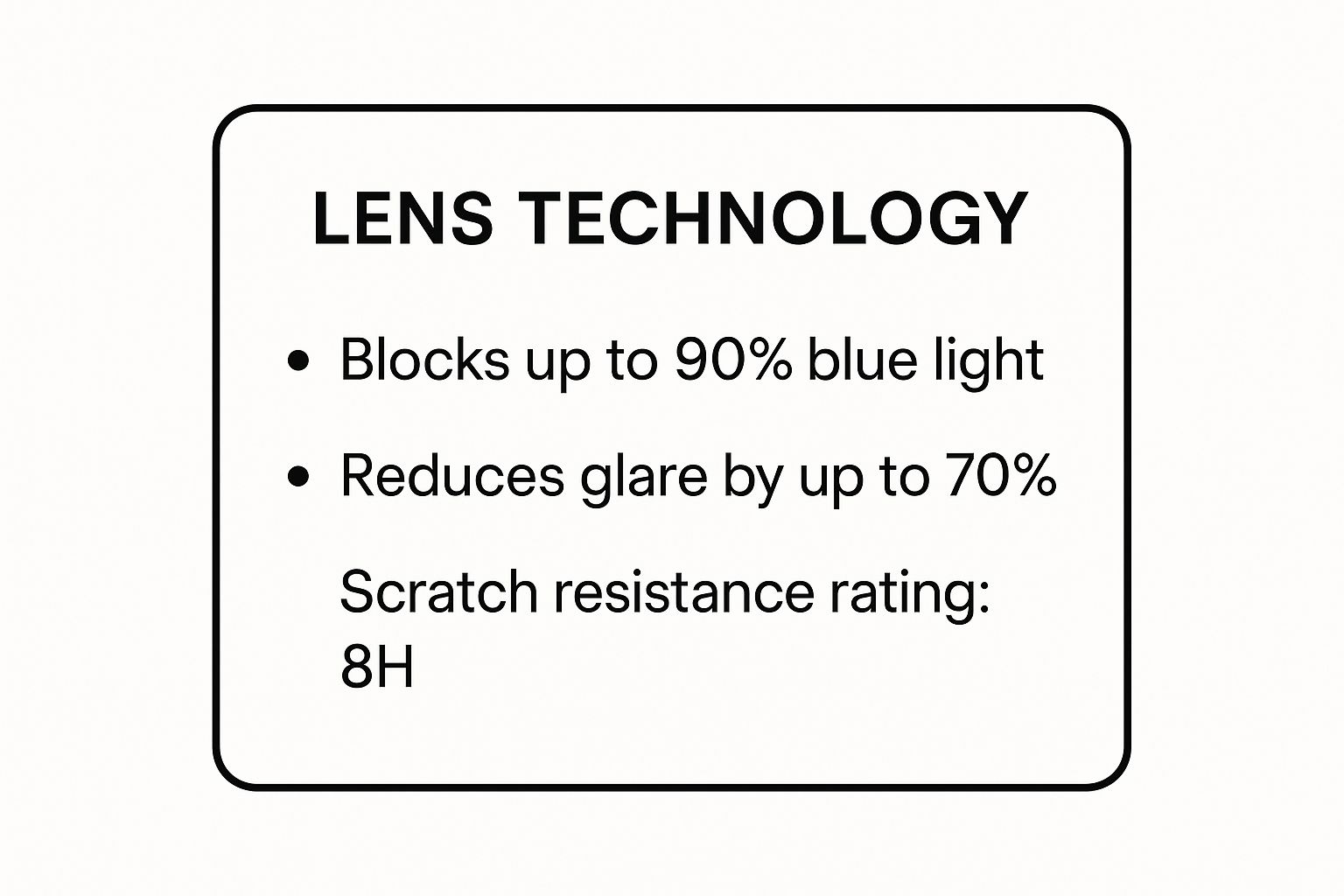
As you can see, the combination of high blue light filtration, glare reduction, and durability creates a much better, and more comfortable, visual experience.
Beyond just eye comfort, the real magic happens on a hormonal level. When you wear orange colored blue light glasses in the evening, you create an artificial sunset for your brain. This sends a powerful signal that the day is over, giving your body the green light to start producing melatonin—the hormone that makes you feel sleepy. This is how orange colored blue light glasses help with sleep. Similarly, amber blue light glasses let you relax and wind down. They create a warm, cozy visual atmosphere that helps calm your nervous system, making the transition from a busy day to a restful evening feel natural.
By filtering out stimulating light, both orange and amber glasses help your mind switch off. This reduces the mental "noise" that often keeps people awake, paving the way for a quicker and deeper sleep.
For the best results, fold your new glasses into a bigger strategy. A holistic approach to sleep hygiene is what truly moves the needle.
To help you put this all together, here’s a simple checklist you can follow each evening. Think of it as a step-by-step guide to telling your body it's time to rest.
| Your Evening Sleep Hygiene Checklist | ||
|---|---|---|
| Time Before Bed | Action Item | Why It Works |
| 2-3 Hours | Finish your last big meal. | Avoids digestive disruption and heartburn that can interfere with sleep. |
| 90 Minutes | Put on your blue light blocking glasses. | Signals your brain to start producing melatonin by blocking stimulating light. |
| 60 Minutes | Turn off bright overhead lights; use dim lamps instead. | Reduces overall light stimulation, creating a calmer, sleep-friendly environment. |
| 30 Minutes | Put away all screens (phone, TV, tablet). | Eliminates the primary source of blue light and mental stimulation. |
| 15 Minutes | Engage in a relaxing activity like reading a book or light stretching. | Helps quiet your mind and release physical tension before getting into bed. |
Following a consistent routine like this night after night can fundamentally change your relationship with sleep. It trains your body and mind for rest, making it easier to fall asleep faster and wake up feeling refreshed.
If it's anxiety and a racing mind keeping you up, pair your glasses with these simple but effective relaxation techniques.
It’s a vicious cycle, isn't it? You’re stressed, so you can’t sleep. Then you’re exhausted from not sleeping, which just cranks your stress levels even higher. The way out of this loop isn't about forcing yourself to relax; it's about creating an environment that tells your brain and body it's safe to power down.
Think of it as building a gentle off-ramp from a busy day to a quiet night. Luckily, there are a few simple, powerful ways to do just that.
Our eyes are taking in a constant stream of high-energy light from all our screens, and that alone can keep our brains buzzing. The first, and maybe easiest, step is to filter out that harsh visual "noise." When you put on a pair of orange or amber-lensed glasses, you’re literally turning down the intensity of your surroundings.
This simple change can have a profound effect on an overstimulated nervous system. By shifting your world to a softer, warmer glow, you give your brain a break, which can help lower cortisol and bring on a feeling of calm. It's a completely effortless way to start winding down.
Once you’ve softened the light around you, it's time to quiet the noise inside your head. Racing thoughts are the number one culprit behind evening anxiety, and a quick mindfulness or breathing exercise can work wonders.
You don't need a fancy app for this. Just find a quiet spot and pay attention to your breath for 10 minutes. A great pattern to start with is the 4-7-8 technique:
Repeating this a few times helps kick your parasympathetic nervous system—your body's "rest and digest" mode—into gear. You'll feel your heart rate slow and those racing thoughts begin to fade.
Stress doesn't just stay in your head. It works its way into your muscles, creating tight spots in your neck, shoulders, and back. Releasing that physical tension is a huge part of getting your body ready for truly restorative sleep.
Take 10-15 minutes for some slow, gentle stretches. Focus on the areas that feel knotted up from the day. Simple moves like neck rolls, shoulder shrugs, or a gentle spinal twist can help release all that stored-up tension, signaling to your body that it’s time to relax.
So often, what keeps us awake is the mental to-do list that won’t stop spinning: all the worries, tasks, and things we can't forget. A "brain dump" is a fantastic way to get all that clutter out of your head before you lie down.
Grab a notebook and just write down everything that's on your mind. Don't worry about organizing it or making it pretty. The idea is to get it all out of your head and onto the paper so it stops circling when you’re trying to sleep.
It's clear people are catching on. As we all deal with more screen time, the demand for tools to manage it is growing. The market for anti-blue light glasses is expected to hit about $2.63 billion in 2025, which shows a massive global shift toward protecting ourselves from digital burnout. You can discover more insights about the anti-blue light glasses market to see the full picture.
By weaving these four practices into your evening, you create a powerful wind-down ritual. Using the best blue light blocking glasses tackles the external stress from your environment, while mindfulness, stretching, and journaling quiet the internal chatter. Together, they give you a complete toolkit to calm your mind, relax your body, and set the stage for a great night's sleep.
As you start looking into blue light blocking glasses for your nightly routine, a few questions always seem to pop up. Getting the specifics straight will help you use them effectively and feel good about your choice.
Let's clear up some of the most common queries.

The deep tint of orange colored blue light glasses is there for a reason—it’s engineered for maximum effect. By blocking nearly all the stimulating blue and green light from screens, these lenses give your brain the all-clear to start producing melatonin. This is how orange colored blue light glasses help with sleep, allowing you to fall asleep faster and get more restorative rest.
At the same time, this powerful filtering cuts down on the harsh visual "noise" from devices. This is how orange colored blue light glasses help with eye strain. Your eye muscles finally get a chance to relax, easing the fatigue, headaches, and dryness that so often come with long hours in front of a screen.
Amber blue light glasses let you relax and wind down by offering a softer approach for your evening. They filter out a significant amount of blue light but still allow for better color perception than their deeper orange cousins. The result is a warm, cozy visual atmosphere that helps your nervous system settle down.
Think of amber lenses as a tool for gently transitioning from a busy day to a calm evening. They're perfect for watching a movie or reading on a tablet, helping you relax without the full-on "sleep mode" intensity of orange lenses. You can learn more about how our glasses work and find additional tips for better sleep in our detailed guide.
When you integrate blue light glasses into a solid sleep hygiene routine, you really amplify their benefits. A few key habits can make a huge difference.
If anxiety is what's keeping you up at night, pairing your glasses with a few simple relaxation techniques can work wonders to quiet a racing mind.
At Element Lux, we're all about providing high-quality blue light blocking glasses that genuinely improve your sleep and reduce eye strain. Our glasses are designed to be a simple, effective tool for anyone looking to make their evenings more relaxing and boost their overall health.
Discover the perfect pair for your nightly routine and start your journey to better sleep.
