
To really nail your focus when you study, you need a dedicated space that tells your brain it's time for deep work. This goes way beyond just tidying your desk. It’s about fine-tuning your lighting, ergonomics, and even your digital tools to build a personal study sanctuary. By making a few small, deliberate changes, you can create a space that actively helps you concentrate instead of fighting against you.
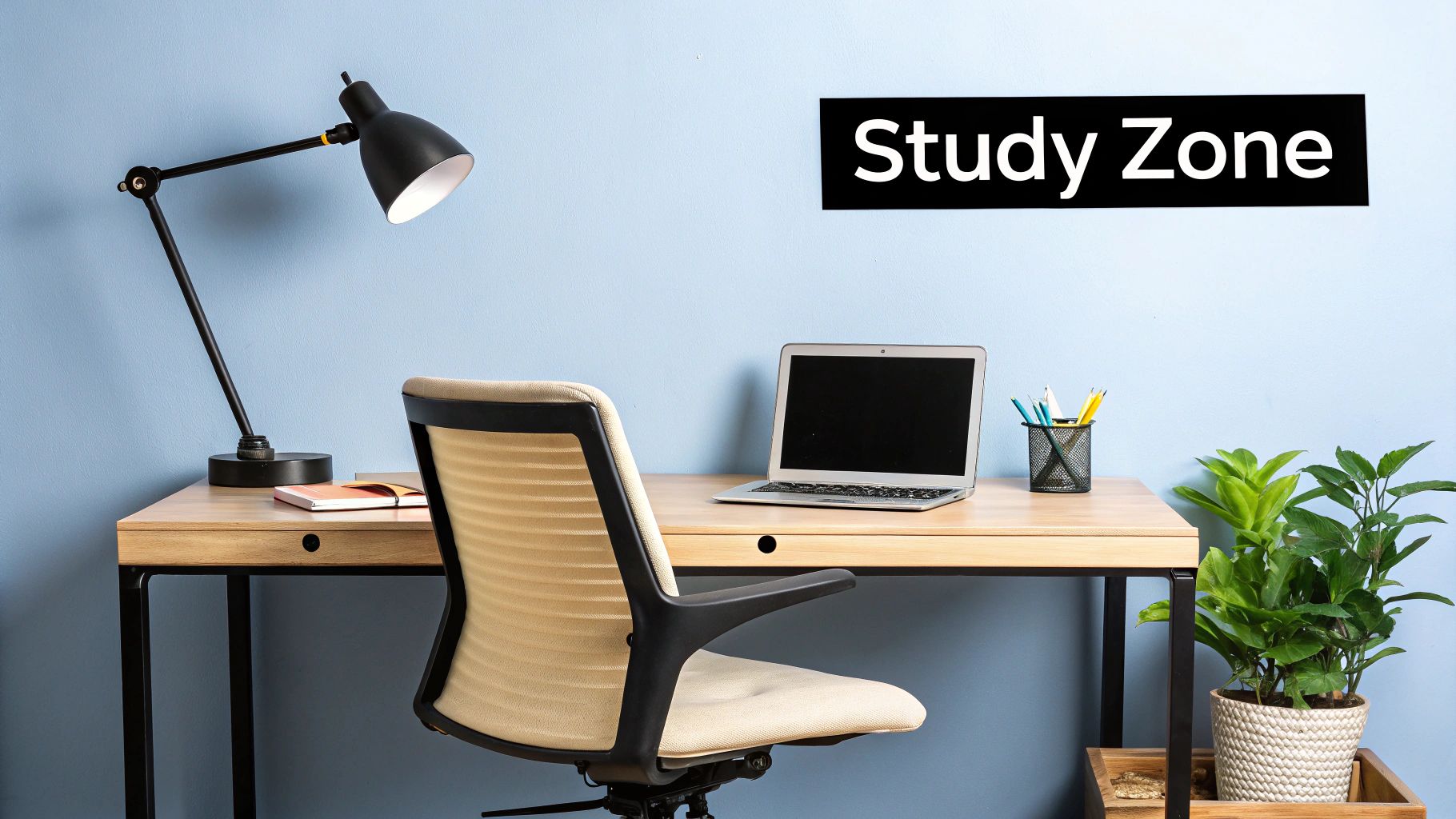
Your physical surroundings have a huge impact on your ability to concentrate. A cluttered, uncomfortable, or badly lit room creates a constant, low-level hum of distraction that slowly drains your mental energy. The goal here is to design a study zone that shuts down those disruptions and cranks up the comfort, letting your mind lock in for longer.
Think of your study space as your command center for learning. It needs to be a place you associate with productivity, not scrolling through social media or chilling out. That mental link is the secret to getting into "study mode" fast.
First things first, pick a dedicated spot. Even if it's just a small corner of your room, consistency is everything. Always studying in the same place trains your brain to associate that location with getting work done. Once you’ve claimed your territory, it's time to optimize it.
Next, let's talk setup. An uncomfortable chair or a desk at the wrong height is a recipe for fidgeting and aches—major distractions. Adjust your chair so your feet are flat on the floor and your screen is at eye level. A proper ergonomic setup prevents the kind of physical strain that constantly yanks your attention away from your books.
A study space should be a sanctuary for thought. By removing external clutter, you create space for internal clarity. This isn't just about being neat; it's about reducing the cognitive load on your brain.
Lighting is another game-changer. Harsh overhead lights cause glare and eye strain, while a dim room can make you feel sleepy. The sweet spot is layered, well-distributed light. A good desk lamp can illuminate your work without creating harsh shadows, making it much easier to read and reducing the physical stress on your eyes.
In today's world, your digital space is just as important as your physical one. Your computer and phone are critical tools, but let's be honest—they're also your biggest enemies when it comes to focus. Practicing good digital hygiene means setting up your devices to support you, not sabotage you.
Here are a few practical steps to build a distraction-free digital zone:
By intentionally designing both your physical and digital worlds, you're building a powerful foundation for deep, sustained focus.
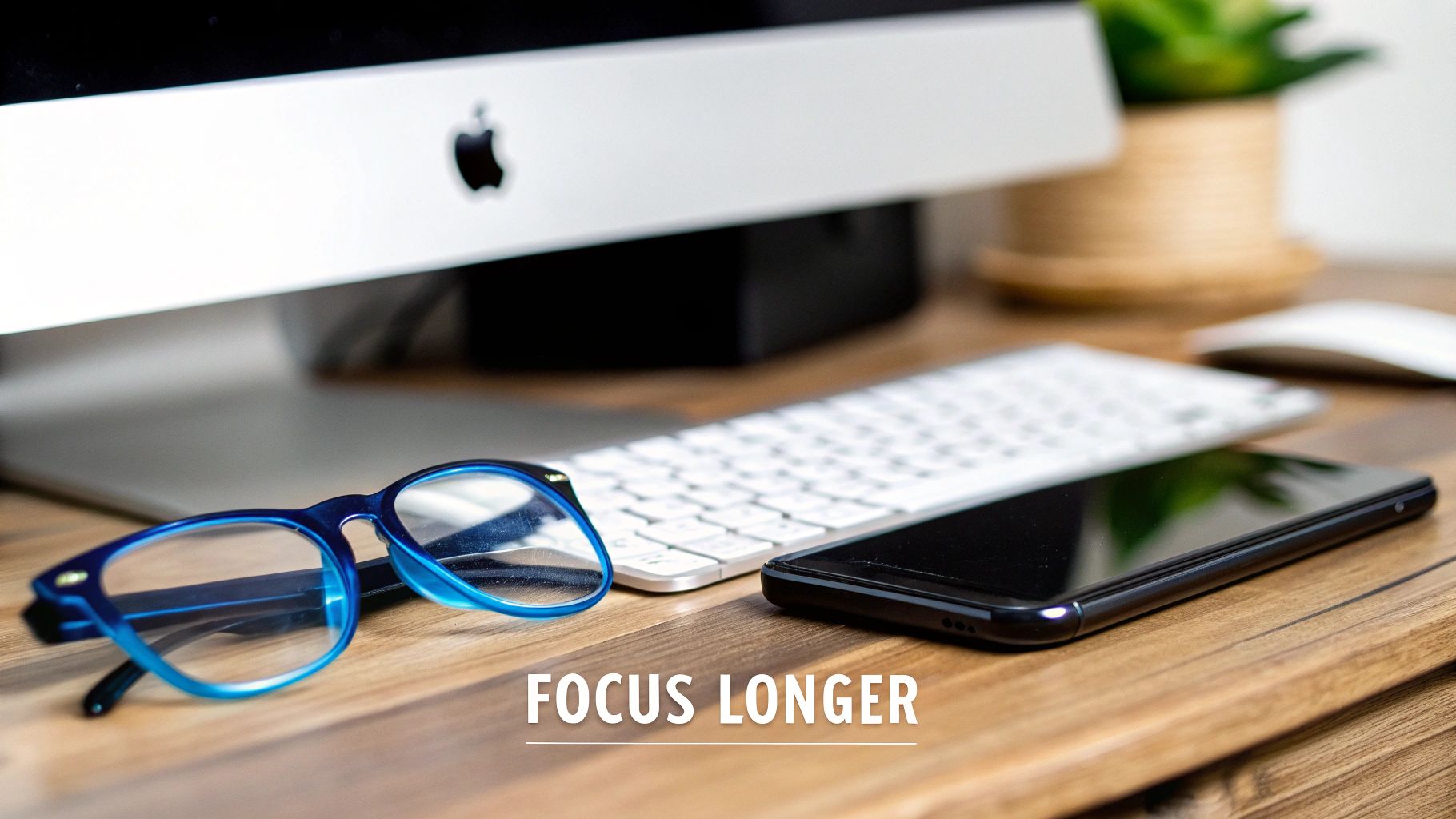
Let's be honest: our devices are a double-edged sword. They're indispensable for research and writing, but they're also a black hole of distraction. Every notification, email ping, and news alert shatters your concentration, making it nearly impossible to hit that state of deep focus you need to really learn.
If you feel like you're losing the battle against the endless scroll, learning how to overcome social media addiction is a powerful first step to reclaiming your attention.
But beyond the mental tug-of-war, there’s a physical one. Hours staring at a screen leads to digital eye strain—that familiar feeling of dry, gritty eyes, a nagging headache, and slightly blurred vision. It's more than just annoying; it’s a productivity killer that can force you to pack it in early.
So what's causing all that discomfort? It's largely due to the high-energy visible (HEV) blue light pouring out of our screens. This type of light scatters more than other colors, creating a kind of visual "noise" or glare that your eyes have to constantly fight to focus through. All that extra work is what leaves them feeling strained and tired.
This is exactly where a good pair of orange-colored blue light glasses comes in. While clear or light-yellow lenses might filter a tiny fraction of blue light, high-quality orange lenses are designed to block a huge portion of it. By cutting out that harsh, scattered light, they reduce glare and boost contrast on your screen, letting your eye muscles finally relax.
Putting on a pair of Element Lux glasses during a long study session means less squinting and less fatigue. You can stay in the zone for longer without the burnout and physical discomfort that screen-heavy work usually brings.
Blue light’s impact doesn’t stop at your eyes—it messes directly with your sleep. When you're exposed to it in the evening, it basically tricks your brain into thinking it's still daytime. This suppresses the production of melatonin, the hormone that tells your body it’s time to wind down and sleep.
Ever feel tired but totally wired after a late-night cram session? That’s suppressed melatonin at work. Your body is exhausted, but your brain hasn’t gotten the "go to sleep" signal.
Wearing orange or amber blue light blocking glasses for a few hours before bed allows your body's melatonin production to kick in naturally. It's such a simple habit, but it can help you fall asleep faster and get the deep, restorative rest you need for memory consolidation and sharp focus the next day.
After a long day of lectures and textbooks, your brain needs a clear signal to shift out of high-alert mode. Amber blue light glasses create a warm, calming visual environment, like a personal sunset. This visual cue helps your mind understand that the day is ending, making it easier to decompress, manage academic stress, and let go of the day's worries. It's an effortless way to start your wind-down routine.
For more tips on this, check out the resources on the https://element-lux.com/blue-light-blog/. It’s a proactive way to make sure you’re rested, relaxed, and ready for whatever your studies throw at you.

Let’s be honest: real, sustained focus isn’t about just gritting your teeth and pushing through. It's about working smarter, not harder. Effective time management is the secret sauce here. It gives your study sessions structure, turning a mountain of coursework into a series of small, manageable hills.
When you build a predictable routine, you're essentially training your brain to snap into "focus mode" on command. Instead of staring down a massive assignment for hours on end, you break it into focused bursts of effort. This approach doesn't just prevent burnout—it makes the whole process feel way less intimidating.
Two of the most popular and effective methods out there are the Pomodoro Technique and time blocking. They both run on the same simple principle: work in focused sprints, not endless marathons.
The beauty of the Pomodoro Technique is its simplicity. You work with intense focus for 25 minutes, then take a quick 5-minute break. After four of these cycles, you earn a longer break of 15-30 minutes. This rhythm keeps your mind fresh and stops that mental fatigue from setting in.
Time blocking, on the other hand, is all about scheduling your entire day. You might block out 9:00-10:30 AM for "Chapter 5 Reading" and 1:00-2:00 PM for "Math Problem Set." It takes all the guesswork and decision-making out of your day so you can just get down to business.
The real power here isn't just about organizing your calendar. It's about creating a consistent, repeatable process that tells your brain, "Okay, this is a focus block. It's time to work."
Trying these techniques once or twice won't do much. The magic is in the consistency. A structured routine is your best friend for building concentration because it creates momentum and cuts down on the mental energy you waste just trying to get started.
Here’s what that could look like in a real student's week:
This isn't just anecdotal advice; it's backed by research. A huge analysis of 15 different studies confirmed a clear link between disciplined study habits and higher grades. In one study, students with strong routines scored 10–15% higher on average than their peers.
A key part of mastering your time is to always look for ways to improve workflow efficiency in your research and studies. The goal is to build a personalized system that fits your energy levels and course load. Experiment a little, find what works for you, and make it a non-negotiable part of your daily routine.
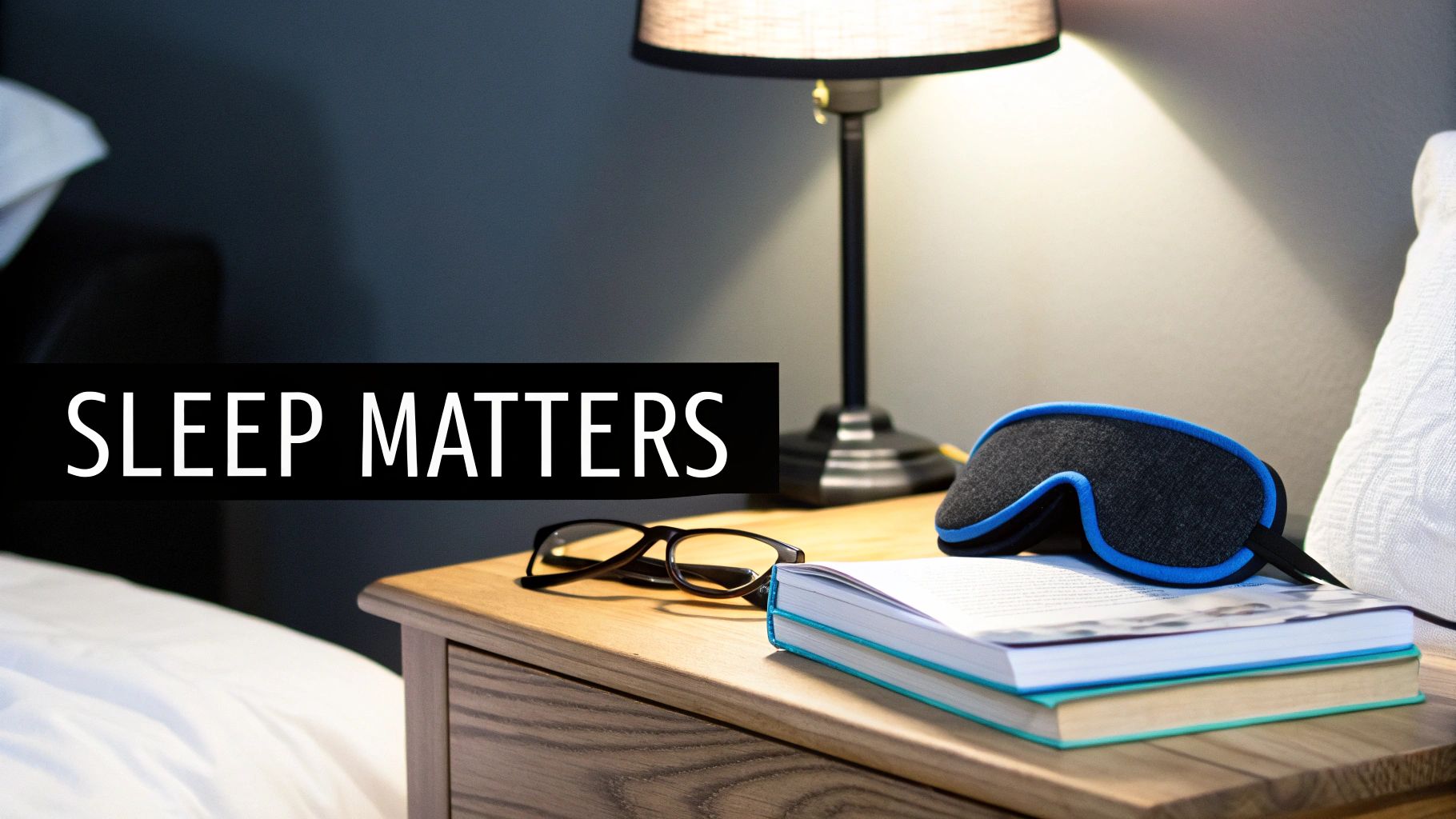
Think of sleep as the final, non-negotiable step in your study routine. After you’ve put in the hours, it's during deep sleep that your brain gets to work consolidating memories, sharpening problem-solving skills, and filing away all that new information.
Without quality rest, a lot of that hard work can literally evaporate overnight. You’ll find it harder to focus the next day, and that information you crammed just won't stick.
One of the biggest culprits sabotaging our sleep in the modern world? Late-night screen time. All that artificial blue light messes with our natural sleep-wake cycle, making it a huge obstacle to academic success.
You know that tired, gritty feeling your eyes get after staring at a laptop for hours? That’s digital eye strain, caused by the intense blue light from your screens.
High-quality orange-colored blue light glasses, like the ones we designed at Element Lux, are built to filter out this harsh, high-energy light. They cut down on screen glare and allow your eye muscles to relax, making those late-night study sessions far more comfortable and sustainable.
Even more importantly, blue light actively suppresses the production of melatonin—the hormone that signals your body it's time to sleep. It’s why you can feel completely exhausted but still find yourself tossing and turning after scrolling through notes on your tablet.
Wearing orange lenses in the hours before bed blocks this disruptive light, allowing your body's melatonin levels to rise naturally. This simple habit helps you fall asleep faster and get the deep, restorative sleep your brain needs to process everything you just learned.
Beyond the science, amber-tinted lenses also create a calming, warm visual environment. Putting them on in the evening is like creating your own personal sunset.
This simple visual cue signals to your brain that the day is ending and it’s time to shift from high-alert study mode to a relaxed state. It makes it so much easier to decompress, manage that pre-exam stress, and prepare your mind for a peaceful night.
A consistent evening routine that includes blue light blocking glasses is a powerful way to protect your sleep. It's not just about what you do during your study time; it's about how you wind down afterward that solidifies your learning.
Here’s a quick summary of the most effective ways you can start getting better sleep tonight. These small changes can have a huge impact on your focus and memory retention.
| Strategy | How It Improves Focus | Implementation Tip |
|---|---|---|
| Wear Blue Light Blocking Glasses | Prevents melatonin suppression from screens, helping you fall asleep faster and get deeper rest. | Put on orange or amber glasses 2-3 hours before bed, especially if you're on a device. |
| Create a Consistent Schedule | Regulates your body's internal clock (circadian rhythm), making it easier to feel sleepy at night and alert in the morning. | Try to go to bed and wake up within the same 30-minute window every day, even on weekends. |
| Optimize Your Bedroom | A dark, quiet, and cool environment minimizes disruptions that can pull you out of deep sleep cycles. | Use blackout curtains, a white noise machine, and set the thermostat between 60-67°F (15-19°C). |
| Avoid Late-Day Caffeine | Caffeine has a long half-life and can linger in your system, making it difficult to fall asleep. | Make your last cup of coffee or energy drink at least 6-8 hours before your planned bedtime. |
By prioritizing your rest, you are directly investing in your academic performance. Each of these strategies works together to help you wake up feeling refreshed and ready to learn.
To dive deeper into these tips, check out our comprehensive guide on how to get better sleep.
Let's be honest: stress is the ultimate focus killer.
When your brain is swamped with anxiety, it goes into survival mode. That leaves almost zero mental bandwidth for the complex stuff, like absorbing new information or solving tough problems. Tackling stress isn't a "nice-to-have"—it's a core strategy for studying effectively.
When you feel that sense of being completely overwhelmed, your ability to think clearly and remember what you just read takes a nosedive. Building a toolkit of go-to calming techniques is just as critical as organizing your notes. The goal is to actively soothe your nervous system so you can get back to being productive.
Between high-stakes exams and looming deadlines, the idea of relaxing can feel like a joke. But a few simple, intentional practices can make a massive difference. You just have to find what works for you and weave it into your routine before the stress boils over.
Here are four powerful ways to get a handle on stress and anxiety:
Proactively managing stress isn't avoiding your work. It's about creating the right mental conditions for high-quality, effective learning.
After hours spent staring at a bright screen, your brain can feel totally wired and overstimulated. That's where amber blue light blocking glasses come in.
They help draw a clear line between "study time" and "relaxation time." The warm-colored lenses filter out harsh, stimulating light, which helps calm your mind and makes the transition from work to rest so much smoother.
Think of it like creating your own personal sunset. This simple visual cue tells your brain the day is winding down, making it far easier to let go of academic pressure and actually relax. It's a small habit that supports your mental well-being, ensuring you’re not just studying hard, but recovering effectively, too.
Got questions? I've got answers. Here are some of the most common things people ask about boosting focus and how our gear can help.
Think of it this way: when you stare at a screen, your eyes are getting blasted with harsh, high-energy blue light. It's like a constant glare that forces your eye muscles to work overtime.
Orange-lensed glasses are designed to specifically filter out a huge chunk of that aggressive blue light. This cuts the glare and sharpens the contrast on your screen, letting your eye muscles finally relax. The result? You can study for hours without that familiar headache, fatigue, or eye discomfort setting in.
Have you ever noticed how calming a sunset feels? Amber-tinted lenses tap into that same effect. They wash your vision in a warm, gentle light that sends a powerful signal to your brain: the day is winding down.
Popping them on in the evening is a simple but effective way to start decompressing. It helps you shift gears from that hyper-focused, alert study mode into a more relaxed state, making it easier to manage stress and get ready for a good night's sleep.
Great sleep is non-negotiable for memory and focus. The biggest wins come from a few key habits:
But here’s the game-changer for the modern student: wear blue light blocking glasses for a couple of hours before you hit the hay. This one move protects your body's natural melatonin production from being tanked by your phone or laptop screen.
When your mind is racing, it’s impossible to focus. The trick is to have a few go-to techniques to calm the noise.
For an even deeper dive into focus strategies and student well-being, check out the other guides and articles over on our Element Lux Resources page.
Ready to protect your eyes, get better sleep, and finally lock in your focus? Element Lux makes high-quality blue light blocking glasses designed to help you study smarter, not just harder.
