It’s a feeling we all know: tossing and turning, mind racing, knowing you have to be up in a few hours but sleep just won’t come. When your sleep schedule is a mess, it feels like more than just being tired. Your mood tanks, your focus disappears, and your whole day feels off-kilter.
The good news is you can get back on track, and it doesn’t require a complete life overhaul. This guide is all about small, practical changes you can start tonight to fix your sleep schedule for good.
If you feel like you're constantly fighting your body's internal clock, you're far from alone. It's a massive issue. The National Sleep Foundation's Sleep in America Poll revealed that a staggering six out of 10 Americans feel they don't get enough sleep.
Think about that—most people are walking around sleep-deprived. The poll also found that nearly four in 10 struggle to even fall asleep multiple nights a week. This isn't just about feeling groggy; it directly impacts your quality of life.
So what’s wrecking our sleep? It usually boils down to two things: a stressed-out mind and way too much artificial light.
An anxious, racing mind makes it nearly impossible to wind down. At the same time, the blue light pouring out of our phones, laptops, and TVs is constantly telling our brains, "Hey, it's still daytime! Stay awake!" This constant stimulation suppresses melatonin, the hormone that signals it's time for bed.
This is exactly why so many people are turning to blue light blocking glasses. They act as a shield, protecting your body's natural sleep signals from modern technology.
Getting your sleep schedule back on solid ground is all about building a powerful, consistent routine. Your body loves predictability. Here’s how to give it what it needs.
First, set a consistent wake-up time. I know, it's tempting to sleep in on weekends, but this is the single most important step. It anchors your entire internal clock, or circadian rhythm.
Right after you wake up, get some morning sunlight. Just 10-15 minutes of natural light tells your brain loud and clear that the day has started, reinforcing your wake-up cycle.
Then, focus on your evenings. You need a relaxing wind-down routine to transition from the chaos of the day to the calm of the night. This could be reading a book (a real one!), gentle stretching, or listening to quiet music.
And finally, make blue light blocking glasses part of that routine. Put them on 1-2 hours before you plan to sleep, especially if you're watching TV or scrolling. This simple habit protects your melatonin production and makes falling asleep so much easier.
Here's a quick summary of the most effective strategies you can use to get your sleep cycle back in order.
| Strategy | Primary Benefit |
|---|---|
| Consistent Wake-Up Time | Anchors your circadian rhythm and sets a predictable daily schedule. |
| Morning Sunlight Exposure | Reinforces wakefulness and helps regulate your internal clock. |
| Relaxing Evening Routine | Signals to your brain and body that it's time to wind down for sleep. |
| Wear Blue Light Blockers | Protects melatonin production from screen light, making it easier to fall asleep. |
By combining these simple but powerful habits, you can stop fighting against your body and start working with it to achieve the restorative sleep you need.
Your body has this amazing internal clock called the circadian rhythm, and its main cue comes from light. Bright, natural sunlight hitting your eyes in the morning is a powerful signal that tells your brain, "Hey, it's time to be alert and awake." It's nature's way of kickstarting your day.
But then night comes, and we're surrounded by artificial blue light from our screens. This sends a totally different, and frankly, confusing message. It actively suppresses the production of melatonin—your body's natural sleep hormone—tricking your brain into thinking it's still daytime. This one little disruption is a huge reason so many of us lie in bed scrolling, then wonder why we can't fall asleep.
This is exactly where orange-colored blue light blocking glasses become a total game-changer, especially if you're trying to fix your sleep schedule. They help your sleep by filtering out the specific, disruptive wavelengths of blue and green light that are notorious for messing with your melatonin.
Think of them as creating a personal sunset. Even if you're staring at a bright screen, the glasses signal to your brain that the day is winding down, allowing your body to naturally prepare for rest.
On top of that, orange-colored glasses significantly cut down on digital eye strain—that lovely combo of headaches and tired eyes you get after a long day on the computer. By easing that physical discomfort, the glasses help you relax more deeply. If you want to dive deeper into the science, you can find more on our blue light blog.
Amber blue light glasses are perfect for helping you relax and de-stress before bed. The warm, soothing tint tones down the harsh glare from artificial lights and screens, creating a much calmer visual environment. Wearing them in the evening is a simple way to help your mind transition from a state of high alert to one of peace and quiet, letting you wind down naturally.
Making blue light glasses part of your nightly routine is one of the easiest yet most effective things you can do for your sleep. It’s a passive strategy that powerfully supports all your other healthy habits.
Of course, managing evening stress is also critical for good sleep. Here are four simple but effective methods that work perfectly alongside blue light glasses:
Think of a solid pre-sleep routine as a buffer zone. It’s the essential transition you need to shift from the chaos of the day into a state of calm, signaling to your body and brain that it’s time to power down. This isn't about following a rigid, joyless checklist; it's about creating a space for genuine relaxation.
A great starting point is to dim the lights across your home and make sure to avoid any stimulants. That means no caffeine after the early afternoon and swapping intense late-night workouts for something gentler.
Then, you can start layering in activities that you actually find calming. For many people, one of the most powerful additions to this ritual is wearing blue light blocking glasses for the last one to two hours before heading to bed. It’s a simple step, but it can make a world of difference when you’re trying to get your sleep schedule back on track.
When it comes to winding down, orange-colored blue light glasses are incredibly effective. They work by filtering out the harsh, artificial light from screens and overhead lighting that often leads to digital eye strain. If you’ve ever felt physically tense or had a headache after a long day of screen time, you know exactly what I’m talking about.
By blocking these disruptive light wavelengths, the glasses allow your body's natural melatonin production to kick in without interference. The amber tint also creates a much warmer, more relaxing visual environment, which helps quiet your mind and makes the transition into sleep feel much more natural.
If you want to dive deeper into the science, you can explore our guide on how Element Lux glasses help with sleep.
Don't just take my word for it—consistency is key. A massive global study of over 88,000 adults found that having an irregular sleep schedule dramatically increases health risks. For instance, participants who went to bed after 12:30 AM had a 2.57 times higher risk of developing liver cirrhosis. It’s a stark reminder that when you sleep is just as crucial as how long you sleep.
It’s almost impossible to get your sleep schedule back on track when your mind is racing at 100 miles an hour. If you want truly restful nights, you have to tackle that nighttime stress head-on. The good news? It doesn't have to be some complicated, drawn-out process.
This struggle with sleep-related stress is becoming incredibly common. Have you ever heard of sleep anxiety? It’s that awful cycle of worrying about not being able to sleep, which, of course, keeps you awake. It's a huge issue, especially for younger adults juggling digital overload and other pressures. One report I read found that nearly 40% of Gen Z adults deal with this at least three times a week. That anxiety just feeds the sleeplessness. You can dig into more of the data in the Global Wellness Institute report on sleep trends.
The best way to combat this is with simple, practical steps you can actually stick with. A few small tweaks to your evening routine can send a powerful signal to your brain that it's time to unwind.
There's something about the warm tint of amber glasses that just immediately creates a more relaxing vibe. The more powerful orange lenses go a step further, blocking the specific blue light wavelengths that are notorious for causing digital eye strain and tanking your melatonin levels. It's a passive way to reduce the "wired" feeling you get from artificial light, making it that much easier for a busy mind to finally quiet down.
Alright, let's put all this together into a routine that actually sticks. When it comes to fixing your sleep schedule, consistency is your most powerful tool. The whole point is to give your body clock—your circadian rhythm—strong, reliable cues so it knows exactly when to power down and when to be alert.
You don't need a hundred new habits. Just focus on a few core ones that deliver the biggest results. Wake up at the same time every single day (yes, even on weekends). Get that morning sunlight as soon as you can. And make your blue light blocking glasses a non-negotiable part of your wind-down routine, especially in the last one to two hours before bed.
This is where those orange-colored blue light glasses really shine. They're incredibly effective at reducing digital eye strain by filtering out that harsh, high-energy light from your screens that often leads to headaches and fatigue. It's a simple step that helps your eyes, and in turn, your entire body, feel more relaxed as bedtime approaches.
Even more importantly, these glasses are your best defense for protecting your sleep. They block the specific wavelengths of light known to suppress melatonin, which is your body's natural "it's time for sleep" hormone. This lets you wind down naturally, even if you’re catching up on a show or reading on your tablet.
By creating a calmer visual world, those amber and orange lenses help quiet a busy mind. It makes the shift from being "on" and alert to a state of deep relaxation feel so much smoother.
For even more strategies like these, feel free to explore the articles over in our Element Lux resources.
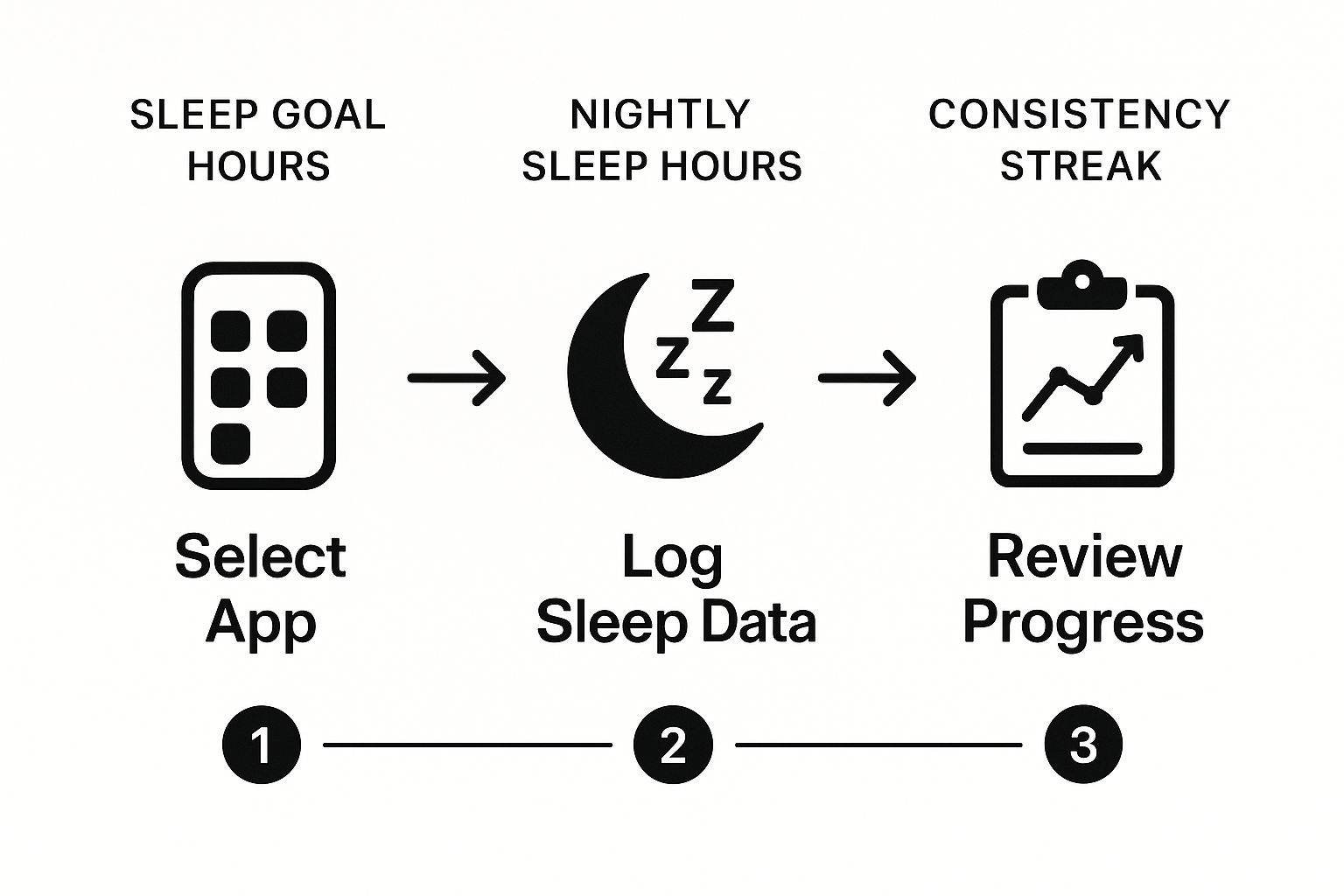
A great way to stay on track is to use an app to monitor your progress. Seeing your consistency streak or how your nightly sleep hours are stacking up against your goal can be a huge motivator. It makes it so much easier to spot patterns and stay committed to getting your sleep schedule back on track.
Changing your sleep habits always brings up a few questions. Let's tackle some of the most common ones that pop up when you're trying to get your schedule back on track.
It's simpler than you might think. Those amber or orange-tinted glasses are your best defense against the artificial light that’s tricking your brain into staying awake.
The orange lenses are fantastic at filtering out that harsh, high-energy light from your screens—the kind that gives you headaches and makes your eyes feel fried after a long day. This relief from eye strain helps your whole body feel more relaxed.
But more importantly, they act as a shield for your melatonin production. By blocking that specific wavelength of light, you’re allowing your body to start its natural wind-down process, even if you’re still scrolling or finishing up some work. Amber lenses do something similar, just a bit more gently, creating a warm, calming effect that helps you feel relaxed.
If you want to make a real impact, focus on these four foundational habits. They work well on their own, but when you combine them, they’re a game-changer.
A consistent evening routine is your signal to your brain that the day is over. By dimming the lights and putting on your amber glasses, you’re actively telling your body it's time to prepare for rest, making the transition to sleep much smoother.
We've all been there—lying in bed, staring at the ceiling, while stress keeps our brains buzzing. When that happens, you need a few simple tools to calm your nervous system down.
Try one of these next time you feel wound up:
Ready to finally take control of your sleep? The simplest, most effective step you can take tonight is to protect your eyes from the blue light that’s sabotaging your rest. Element Lux glasses are designed specifically to filter out the exact wavelengths that suppress melatonin, helping you fall asleep faster and wake up feeling genuinely refreshed.
See the difference for yourself and shop our collection now!
