In a world that never seems to power down, getting a good night's sleep can feel like a distant dream. Tossing, turning, and staring at the ceiling is a frustratingly common experience for students, professionals, and anyone struggling to unplug. But what if the key to unlocking quicker, deeper sleep doesn't lie in a pill bottle, but in a series of simple, natural adjustments to your evening routine? Reclaiming your rest is crucial not just for energy, but for mental clarity, immune function, and overall well-being.
This guide explores powerful, evidence-based natural ways to fall asleep faster. We'll move beyond generic advice and provide actionable strategies to calm your mind, relax your body, and prime your internal clock for rest. From ancient breathing exercises that quell anxiety to modern tech solutions like wearing orange-colored blue light blocking glasses to reduce eye strain and signal your brain it's time to wind down, you'll find a curated set of techniques you can implement tonight. Prepare to discover how to reclaim your nights and wake up feeling refreshed and ready to conquer your day.
Progressive Muscle Relaxation (PMR) is a deep relaxation technique developed by Dr. Edmund Jacobson in the 1920s. This method is based on the simple practice of systematically tensing specific muscle groups and then releasing the tension, which helps you become more aware of physical sensations and distinguish between a state of tension and one of deep relaxation. By consciously releasing physical stress, you signal to your brain that it's safe to power down, making it one of the most effective natural ways to fall asleep faster.
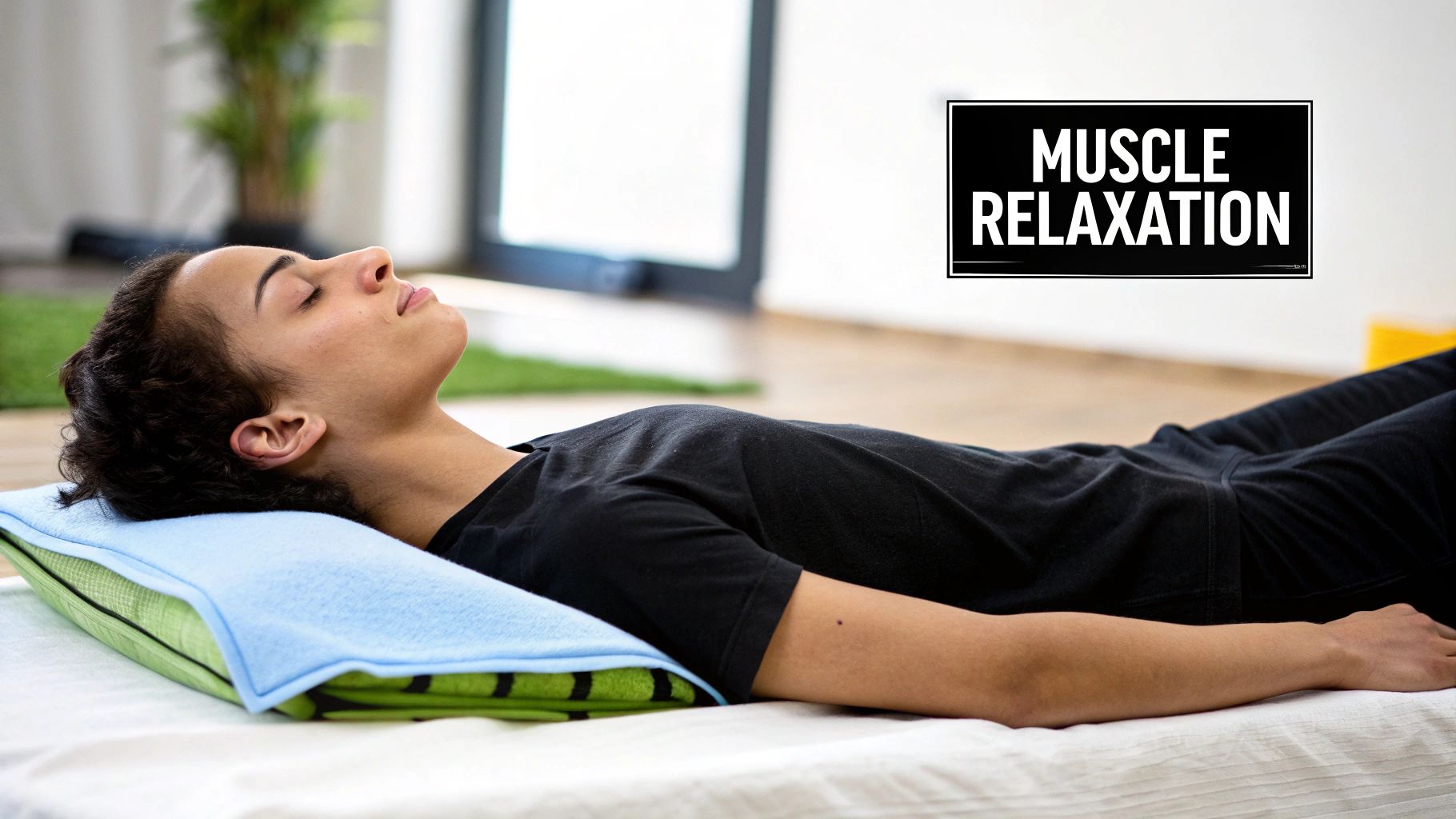
The process works by interrupting the feedback loop of anxiety. When you're stressed, your muscles tighten, which sends signals to your brain that reinforce feelings of unease. PMR actively breaks this cycle. This powerful mind-body technique has been adopted in high-stress environments, from military training programs to professional sports, where managing stress is critical for performance and recovery.
The goal is to move methodically through the body, typically starting from your feet and working your way up to your head. Lie comfortably in your bed and follow these steps:
Key Insight: The magic of PMR lies in the contrast. Pay close attention to the sensation of the muscle completely relaxing after being tensed. This contrast trains your body to recognize and release stored tension you may not even be aware of.
If you are new to this practice, using guided audio from apps like Headspace or Calm can be incredibly helpful. Practicing for a few minutes during the day can also make the technique more automatic and effective when you use it at night to fall asleep.
The 4-7-8 Breathing Technique, popularized by Dr. Andrew Weil, is a rhythmic breathing exercise rooted in the ancient yogic practice of pranayama. This simple yet powerful method acts as a natural tranquilizer for the nervous system. The technique involves inhaling through your nose for a count of four, holding your breath for a count of seven, and then exhaling completely through your mouth for a count of eight. This specific ratio is designed to activate the parasympathetic nervous system, our body's "rest and digest" response, which effectively reduces heart rate, lowers blood pressure, and calms the mind, making it one of the most direct natural ways to fall asleep faster.
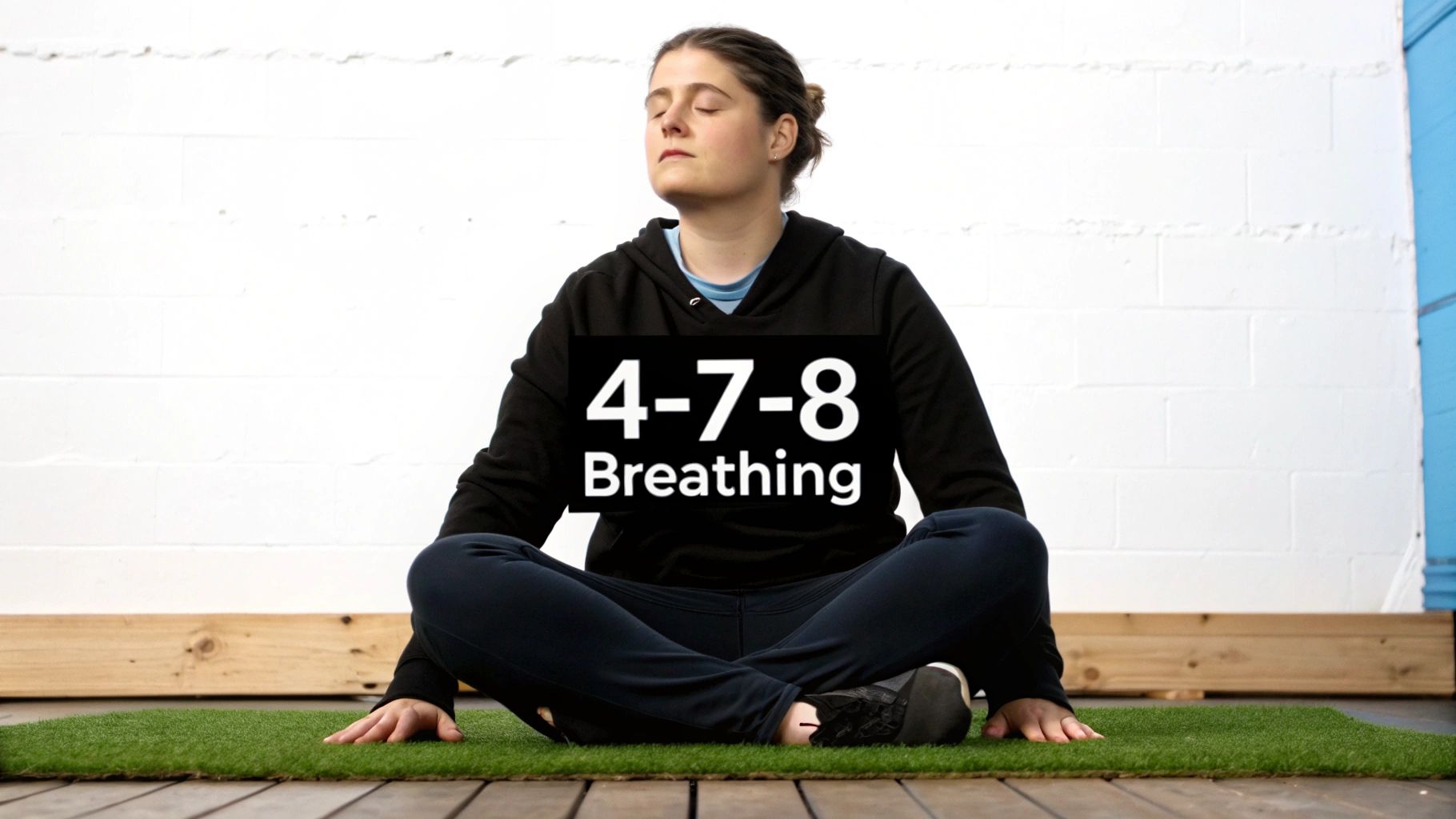
This breathing pattern works by deliberately slowing your respiration, which counters the shallow, rapid breathing associated with stress and anxiety. The extended exhale helps expel more carbon dioxide, while the seven-second hold allows for greater oxygen uptake into the bloodstream. Its effectiveness has led to its adoption in high-pressure fields, from corporate wellness programs helping employees manage workplace stress to sleep clinics worldwide that teach it as a primary tool for combating insomnia.
To get started, find a comfortable position, either sitting with your back straight or lying down in bed. Place the tip of your tongue against the ridge of tissue just behind your upper front teeth and keep it there throughout the entire exercise.
Key Insight: The absolute time you spend on each phase is not as important as keeping the ratio of 4:7:8 consistent. The extended exhale is the most critical part of the practice, as it is the key to activating the parasympathetic response that helps you relax and wind down.
For the best results, practice this technique at least twice a day. You can use it to manage anxiety during the day or, most effectively, right before bed to prepare your body and mind for rest. Don't be concerned if you feel slightly lightheaded at first; this sensation typically passes with practice.
Sleep hygiene refers to a comprehensive set of behavioral and environmental practices designed to promote consistent, high-quality sleep. Rather than being a single technique, it's a holistic approach to building a lifestyle that supports your body's natural sleep-wake cycle. By consciously managing your environment, routines, and habits, you create powerful cues that signal to your brain it's time to rest, making this one of the most foundational natural ways to fall asleep faster.
The principles of sleep hygiene are not new; they form the bedrock of protocols used by institutions like the Stanford Sleep Medicine Center and are integrated into corporate wellness programs at innovative companies like Google. The goal is to eliminate "sleep saboteurs" and reinforce behaviors that align with your circadian rhythm. A key modern focus is managing artificial light exposure, especially the blue light from screens, which can trick your brain into thinking it's still daytime and suppress melatonin production.
Implementing good sleep hygiene involves making small, consistent adjustments across several areas of your life. Start by focusing on these high-impact practices:
Key Insight: Sleep hygiene is about building a supportive ecosystem for sleep. It's not about a single perfect night but about creating a sustainable routine that makes quality sleep the default, not the exception. The most effective strategy is to combine multiple practices, like a cool, dark room and blue light blocking glasses, to create layers of sleep-promoting signals for your brain.
Guided Imagery, often called visualization, is a therapeutic technique where you use your imagination to create calm, peaceful, and detailed mental scenes. This practice transports your mind away from the day's worries and anxieties, effectively quieting the mental chatter that often stands between you and a restful night. By focusing your attention on a tranquil inner world, you activate your body's relaxation response, making it one of the most powerful natural ways to fall asleep faster.
This mind-body technique is far more than simple daydreaming; it's a focused practice that leverages the brain's inability to distinguish between vividly imagined events and real ones. When you visualize a serene beach, your brain releases neurochemicals associated with relaxation, just as it would if you were actually there. This method is so effective that it’s used in high-stress clinical settings, from cancer treatment centers to help patients manage anxiety to children's hospitals for pediatric sleep issues.
The key to effective visualization is engaging as many senses as possible to make the scene feel real. Lie down comfortably in your bed, dim the lights, and walk your mind through these steps:
Key Insight: The goal is not to force sleep but to become so absorbed in your peaceful mental environment that you forget you are trying to sleep. This gentle distraction allows your body's natural sleep processes to take over without the interference of a stressed or overactive mind.
This practice pairs well with other sleep-hygiene habits, like using amber or orange-lensed blue light glasses in the evening. As you wind down, these glasses help reduce eye strain from screens and signal to your brain to produce melatonin. You can learn more about how blue light glasses help you relax and sleep better to enhance your nighttime routine.
Aromatherapy is an ancient practice that uses natural plant extracts, known as essential oils, to promote health and well-being. When used for sleep, this technique harnesses the power of scent to calm the nervous system and prepare the mind for rest. The olfactory system has a direct pathway to the limbic system, the brain's emotional center, which is why certain scents can instantly trigger feelings of relaxation and safety, making this a potent natural way to fall asleep faster.
The science behind it involves the natural chemical compounds in oils like lavender, which contain linalool and linalyl acetate. These compounds have been shown to have sedative and anxiolytic (anti-anxiety) effects. This practice is so effective that it's used in diverse settings, from hospitals using aromatherapy to reduce patient anxiety to luxury spas incorporating it as a standard for relaxation treatments. Even lavender farms in Provence, France, have become destinations for "sleep tourism."
Integrating aromatherapy into your nightly routine is simple and can be personalized to your preferences. The key is consistency and finding the scents that work best for you.
Key Insight: Your brain can become accustomed to a scent over time, reducing its effectiveness. To prevent this "olfactory fatigue," rotate between 2-3 different calming oils every few weeks. This keeps your brain responsive to their relaxing signals.
When choosing oils, opt for 100% pure, therapeutic-grade products to ensure you are getting the full benefits without synthetic additives. Always perform a patch test on a small area of skin before applying an oil topically to check for sensitivity.
Cognitive Behavioral Therapy for Insomnia (CBT-I) is considered the gold-standard, first-line treatment for chronic sleep problems. Unlike sleeping pills, this approach addresses the root cause of sleeplessness by identifying and changing the negative thoughts and behaviors that disrupt your ability to rest. It's a structured program that helps you reframe unhelpful beliefs about sleep and establish a healthier relationship with your bed and bedtime routine.
This method works by breaking the frustrating cycle of "trying" to sleep. When you worry about not sleeping, your body releases stress hormones that make sleep nearly impossible, which then reinforces your anxiety. CBT-I teaches you practical skills to dismantle this cycle. Its effectiveness is so well-documented that it's a core treatment strategy in VA hospitals for veterans with sleep disorders and is the foundation for successful digital therapeutics apps like Sleepio.
While a full CBT-I program is best done with a therapist, you can implement its core principles on your own. Start by integrating these powerful strategies into your evening:
Key Insight: The power of CBT-I lies in conditioning. It's not about forcing sleep but creating the ideal mental and environmental conditions for sleep to happen naturally. Consistency is more important than perfection.
Herbal teas and natural supplements are some of the oldest natural ways to fall asleep faster, harnessing plant-based compounds used for centuries to promote relaxation. These remedies work by interacting with your body's neurochemistry, containing bioactive compounds that can influence key neurotransmitters like GABA and serotonin or support the production of melatonin. This helps to gently calm the nervous system and regulate sleep-wake cycles without the use of synthetic chemicals.
The practice of using botanicals for sleep is a global tradition, from chamomile tea being a bedtime staple in Europe to passionflower's use in South American remedies. Modern integrative medicine now studies these compounds, validating their ability to reduce the time it takes to fall asleep. By creating a warm, soothing ritual, a cup of herbal tea also signals to your body that it's time to wind down, making the transition to sleep more seamless.
To get the most benefit, it's important to choose the right herb and prepare it correctly. Incorporating this into your evening routine 30-60 minutes before bed can significantly enhance its effects.
Key Insight: The effectiveness of herbal remedies is highly individual. Start with a single-herb tea to see how your body responds before trying blends. The ritual of preparing and sipping the tea is as important as the herb itself for creating a sleep-conducive mindset.
Always choose organic, high-quality sources to ensure purity and potency. When brewing tea, steep it covered for at least 5-10 minutes to extract the maximum amount of beneficial compounds. Before starting any new supplement, especially if you take other medications, it's wise to consult with a healthcare provider. To learn more, explore additional wellness resources on herbal teas and natural supplements at Element Lux.
Managing stress is a critical component of preparing your body for a good night's sleep. An overactive, anxious mind is one of the biggest barriers to falling asleep quickly. By incorporating dedicated relaxation techniques into your evening, you can calm your nervous system and create a peaceful transition to rest.
Navigating the journey to better sleep can feel overwhelming, but as we've explored, you now have a powerful arsenal of natural ways to fall asleep faster. Falling asleep quickly isn’t about a single magic trick; it's about creating a personalized and consistent evening ritual that signals to your body and mind that it's time to rest. From the calming rhythm of the 4-7-8 breathing technique to the deep physical release of Progressive Muscle Relaxation, each strategy offers a unique pathway to tranquility.
The true power lies in synergy, combining these active practices with passive environmental controls. While optimizing your sleep hygiene and exploring cognitive behavioral techniques are foundational pillars, addressing the modern-day challenge of artificial light is non-negotiable for lasting success. This is where a high-quality pair of blue light blocking glasses becomes an indispensable part of your toolkit.
In our screen-saturated world, our bodies are constantly receiving mixed signals. The blue light from phones, tablets, and computers tells our brain to stay awake, suppressing the natural production of melatonin, the crucial hormone that governs our sleep-wake cycle. Even with the best intentions, it's difficult to completely avoid screens in the evening.
This is why incorporating orange-colored blue light blocking glasses is one of the most effective natural ways to fall asleep faster. These orange lenses are specifically designed to block the most disruptive wavelengths of blue and green light, which sends a powerful signal to your brain to begin melatonin production. This helps reset your internal clock, making it easier to fall asleep. Additionally, amber blue light glasses are excellent for helping you relax and wind down in the hours before bed, reducing the mental stimulation from artificial light and letting you transition into a calmer state of mind.
Ultimately, taking control of your sleep is an act of self-care that pays dividends in every area of your life. By thoughtfully combining ancient relaxation practices with modern solutions like blue light blocking glasses, you are not just hoping for better sleep; you are actively creating it. You are equipping yourself with the tools to calm your nervous system, harmonize your hormones, and reclaim your nights for the deep, restorative rest you deserve.
Ready to make a powerful, passive change to your evening routine? Discover how Element Lux glasses can become the cornerstone of your sleep toolkit, effortlessly blocking disruptive blue light so you can fall asleep faster, naturally. Explore the collection and find your perfect pair at Element Lux.
