Let's cut right to it. If you've ever wondered, "are fluorescent lights bad for you?"—the short answer is yes, they can be.
Those buzzing tube lights in offices, schools, and even kitchens are praised for being energy-efficient, but they come with a few hidden costs to our health. They constantly pump out high-energy blue light, a bit of invisible UV radiation, and a subtle flicker that many people are surprisingly sensitive to. This is why a full day under them can leave you feeling drained and out of sorts.
That soft hum from a fluorescent light might seem harmless, but what's happening inside the bulb tells a different story. It’s not like the steady, warm glow from an old incandescent bulb. Instead, a fluorescent light works by zapping a tube filled with gas and mercury vapor with an electric current. This creates UV light, which then hits a phosphor coating on the inside of the tube, and that's what produces the light we see.
This little science experiment is exactly where the problems start. The light it creates isn't a stable, continuous beam. It's actually a series of incredibly fast pulses—a flicker that happens so quickly you can't consciously see it, but your brain sure can.
This constant on-off cycle, happening hundreds of times per second, is a real workout for your brain and eyes. They have to work overtime just to process what you're seeing. After a full workday or school day, that extra neurological load starts to add up.
Beyond the light itself, the bulb's physical makeup is another thing to think about. Every single fluorescent bulb contains a small amount of mercury, which is a powerful neurotoxin.
When a bulb breaks, those mercury vapors are released into the air. This isn't just a minor issue—studies have shown that mercury vapors from a broken bulb can hang around in the air for hours at levels way above the recommended safe limit. You can get a deeper dive into these hazards from FES Lighting's analysis of fluorescent bulb risks.
Let's quickly recap the main issues with a simple table.
This table breaks down the primary health issues tied to fluorescent lights and what's causing them behind the scenes.
| Health Concern | Primary Cause | Common Symptoms |
|---|---|---|
| Headaches & Migraines | High-frequency flicker overstimulates the visual cortex. | Tension headaches, sharp pain, visual disturbances, nausea. |
| Eye Strain | Constant pupil adjustments to flickering light and blue light overexposure. | Dry eyes, blurred vision, itching, general eye fatigue. |
| Cognitive Fatigue | The brain expends subconscious energy to process unstable light. | Difficulty concentrating, reduced productivity, mental fogginess. |
| Sleep Disruption | High-intensity blue light suppresses the sleep hormone, melatonin. | Trouble falling asleep, poor sleep quality, disrupted circadian rhythm. |
| Chemical Exposure | Breakage releases mercury vapor, a known neurotoxin. | Potential for respiratory irritation and neurological effects with exposure. |
These combined risks—the invisible flicker, the intense blue light, and the chemical hazard—are why so many people are looking for better alternatives and protective gear like blue light blocking glasses. It’s not just about comfort; it's about protecting our long-term health and well-being.
Ever felt that gritty, tired-eye feeling after a long day under office lights? Think of the harsh blue light from fluorescent bulbs as a constant, low-level assault on your eyes. It’s like forcing them through a non-stop, high-intensity workout with zero breaks.
This relentless demand makes your eye muscles work overtime just to focus, which is a direct recipe for digital eye strain.
It’s no wonder so many of us end the day with burning, dry eyes. But what you can see is only half the story. The real troublemaker is often what you can't see.
Beyond that cold, blue glare, fluorescent lights have another dirty little secret: the invisible flicker. These bulbs don't emit a steady, stable stream of light. Instead, they’re rapidly pulsating—switching on and off hundreds of times per second.
While you can’t consciously see this strobe effect, your brain and nervous system definitely feel it.
This constant, subtle pulsing acts as a neurological irritant, and for many people, it's a direct trigger for nagging headaches and even full-blown migraines. Your brain is trying to make sense of visual information coming from a chaotic, unstable source, which puts it on high alert. This makes it incredibly difficult to focus, stay productive, and just feel good.
The problems with fluorescent lighting go way beyond immediate discomfort. Some of these bulbs also leak small amounts of ultraviolet (UV) radiation—the same stuff we're told to block with sunglasses.
While the dose from a single bulb is tiny, the cumulative effect of sitting under them day after day, year after year, really adds up.
A 2011 Australian study found that the widespread switch to fluorescent lights was linked to an estimated 12% increase in UV-related eye conditions like cataracts.
The research pointed out that some fluorescent lamps were emitting UV-A radiation well outside the accepted "safe" range, putting our eyes at unnecessary risk. This is a serious concern, especially for those of us who spend most of our waking hours indoors under artificial light.
Perhaps the most damaging impact of fluorescent light is what it does to your body’s internal clock, or circadian rhythm. The intense spike of blue light from these bulbs sends a powerful signal to your brain that mimics the bright midday sun.
When your brain gets this "it's high noon" signal late in the afternoon or evening, it slams the brakes on producing melatonin, the crucial hormone that tells your body it’s time to sleep.
This hormonal sabotage keeps your brain stuck in daytime mode, making it nearly impossible to wind down and get restorative sleep. Over time, this can spiral into chronic sleep problems, tanking your mood, energy, and even your immune system.
Understanding this is the first step to taking back control. You can dive deeper into how different types of light affect your body on our blue light blog. By filtering out this aggressive artificial light, you give your brain and body a fighting chance to get back to a state of natural balance.
So, now we know how the aggressive blue light and invisible flicker from fluorescent bulbs lead to tired eyes and headaches. What's the next logical step? Finding a practical way to fight back.
The most direct and effective defense is a quality pair of blue light blocking glasses. Think of them as a personal filter, creating a much-needed barrier between your eyes and the harsh artificial light all around you.
They are, quite literally, a shield for your vision. Specially designed orange and amber lenses go to work targeting and absorbing the most damaging high-energy wavelengths before they even have a chance to reach your eyes. This simple act dramatically dials down the visual stress your eyes and brain have to deal with all day, making your environment feel calmer and way more comfortable.
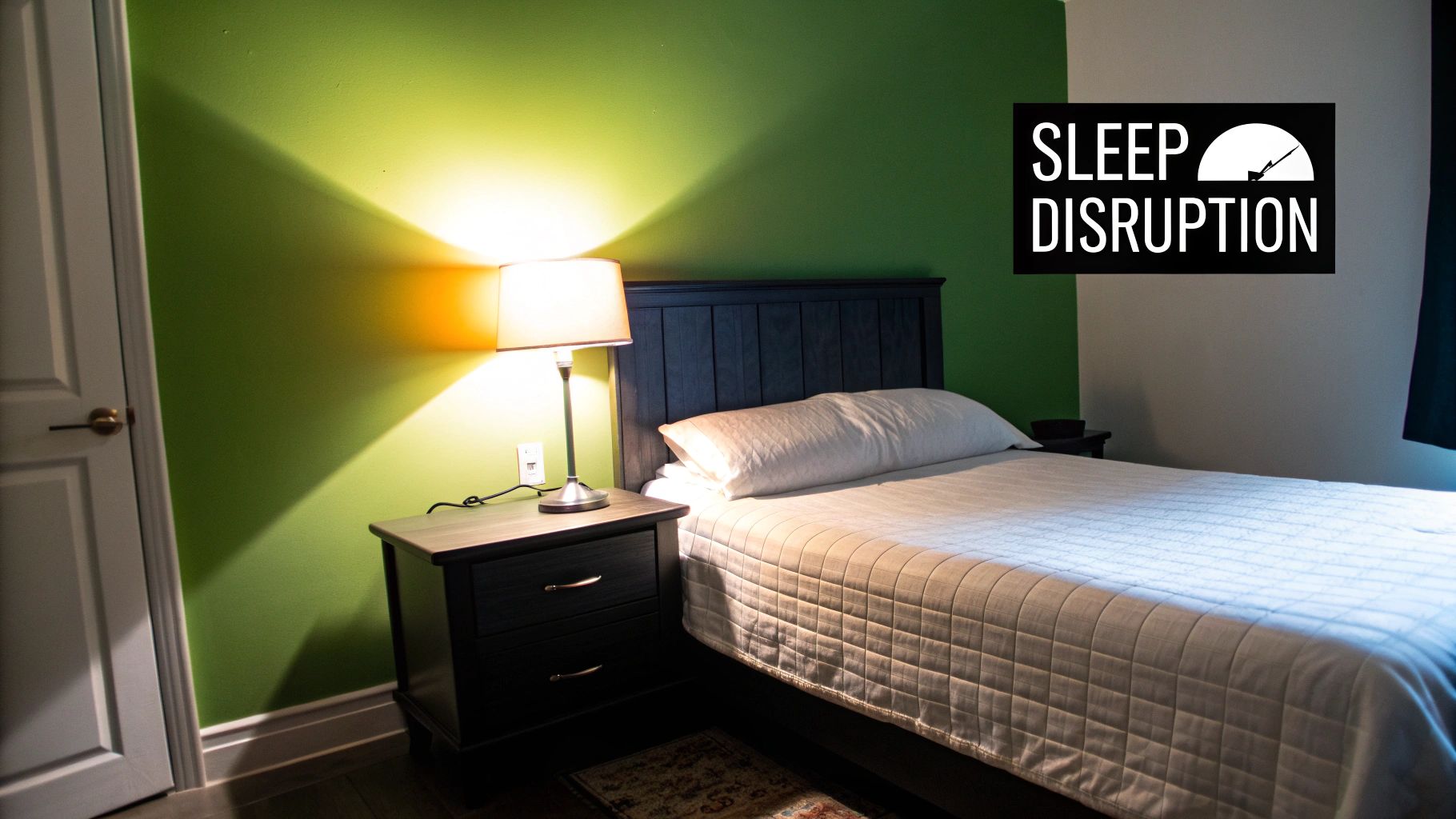
When it comes to serious blue light protection, orange-lensed glasses are the heavy hitters. By filtering out nearly all blue light, they provide maximum relief from the digital eye strain caused by both fluorescent lights and screens. This powerful filtering cuts right through the sharp glare, which can make a huge difference in symptoms like tired, dry eyes and blurry vision during those long workdays.
But the benefits go way beyond just immediate comfort. This level of filtration is absolutely crucial for your sleep. By blocking the specific blue light that slams the brakes on melatonin production, orange lenses send a clear signal to your brain: it's time to prepare for rest. Wearing them for a couple of hours before bed lets your body’s natural sleep cycle kick into gear without interference, paving the way for deeper, more restorative sleep.
While orange lenses are the champs for nighttime, amber lenses offer a more subtle—but just as important—benefit for your evening wind-down. Amber lenses are designed to create a warmer, softer visual world, a lot like the calming glow of a sunset or a campfire. This gentle filtering helps shift your nervous system out of that high-alert, "go-go-go" daytime mode. As you wrap up your day, slipping on a pair of amber blue light glasses helps turn down the volume on all that mental chatter and eases feelings of stress. It creates the perfect state of mind for true relaxation, making it much easier to decompress after a long day under harsh artificial lighting.
By filtering the specific wavelengths that keep your brain overstimulated, amber glasses help create a sense of tranquility. It's an effortless way to signal to your body and mind that the demands of the day are over and it's time to rest.
Getting consistently great sleep is all about building a solid routine. Blue light blocking glasses are a cornerstone of modern sleep hygiene, but they work best when you pair them with other healthy habits.
Managing stress is key to your overall well-being, and it's tightly linked to sleep quality. Here are four effective strategies to help you unwind.
That harsh glare from fluorescent lights does more than just give you a headache. It's waging a quiet war on your sleep. Deep inside your brain is a master clock called the circadian rhythm. Think of it as your body's own 24-hour operating system, and it runs on one simple cue: light.
For thousands of years, this system worked flawlessly. Bright, blue-rich sunlight during the day told our brains, "Be alert! Get things done!" Then, as the sun went down, the warm, soft glow of twilight sent the opposite signal: "Time to wind down."

Here's the problem: modern fluorescent lights and screens blast our eyes with intense blue light long after the sun has set. To your brain, that artificial glow looks a lot like the midday sun, sending a powerful "WAKE UP!" signal that hijacks your internal clock.
When your brain gets hit with all that high-energy blue light in the evening, it slams the brakes on producing melatonin, the very hormone that tells your body it’s time to sleep. It’s like chugging an espresso right before you try to go to bed. You might feel exhausted, but your mind is still wired and on high alert.
This is exactly why so many of us struggle to fall asleep, toss and turn all night, and wake up feeling like we've barely rested. The very lights we depend on are actively sabotaging our sleep.
This is where specially designed blue light blocking glasses make a world of difference. Slipping on a pair of orange-lensed glasses, like the ones from Element Lux, is like creating a personal sunset just for your eyes. They're engineered to filter out the most disruptive wavelengths of blue and green light—the ones that scream "daytime" to your brain.
By blocking these signals, the glasses let your brain ignore the confusing messages from fluorescent lights and screens. This simple step allows your body's natural melatonin production to get back on schedule, signaling that the day is over. The result? A much smoother transition into rest, helping you fall asleep faster and get the kind of deep sleep your body craves.
While orange lenses are your go-to for serious sleep prep, amber lenses are perfect for helping you relax and de-stress in the hours beforehand. Think of them as the gentle shift from a busy day to a calm evening. They filter just enough blue light to take the harsh, stimulating edge off your environment, creating a warmer, more soothing visual experience.
Wearing amber blue light blocking glasses in the evening helps shift your nervous system out of a state of high alert. It's an effortless way to signal to your brain and body that the day's demands are over, making it easier to unwind, relax, and quiet your mind.
This calming effect is a game-changer for a healthy evening routine, especially after a long day under stressful office lights.
Great sleep isn't about one magic trick; it’s about building a solid routine. Blue light blockers are a cornerstone, but they work best when you combine them with other smart habits.
You can't sleep if your mind is racing. Stress and sleep are enemies, so calming your nervous system before bed is key.
Knowing how fluorescent lights mess with your body is one thing, but actually doing something about it is what matters. The single most powerful way to reclaim your natural sleep cycle is to build a consistent evening routine.
This isn't about some complicated, rigid schedule. It's about creating a series of simple, intentional habits that signal to your brain and body that it's time to wind down.
If you do only one thing, make it this: wear orange-lensed blue light blocking glasses for two to three hours before bed. Think of these as a shield, protecting you from the confusing signals sent by all the artificial lights in your home.
By filtering out virtually all blue light, they put a stop to the hormonal interference that leaves you feeling wired when you should be feeling tired. This simple act allows your body to start producing melatonin—the sleep hormone—right on schedule. The result? A much smoother transition into sleep and a deeper, more restorative rest all night long.
Plus, this powerful filtering gives your eyes a much-needed break from the constant assault of fluorescent lights and screens, which can dramatically reduce eye strain and fatigue before your head even hits the pillow.
The infographic below shows a simple, three-step process to deal with some of the other hidden risks from fluorescent lighting, like EMF exposure.
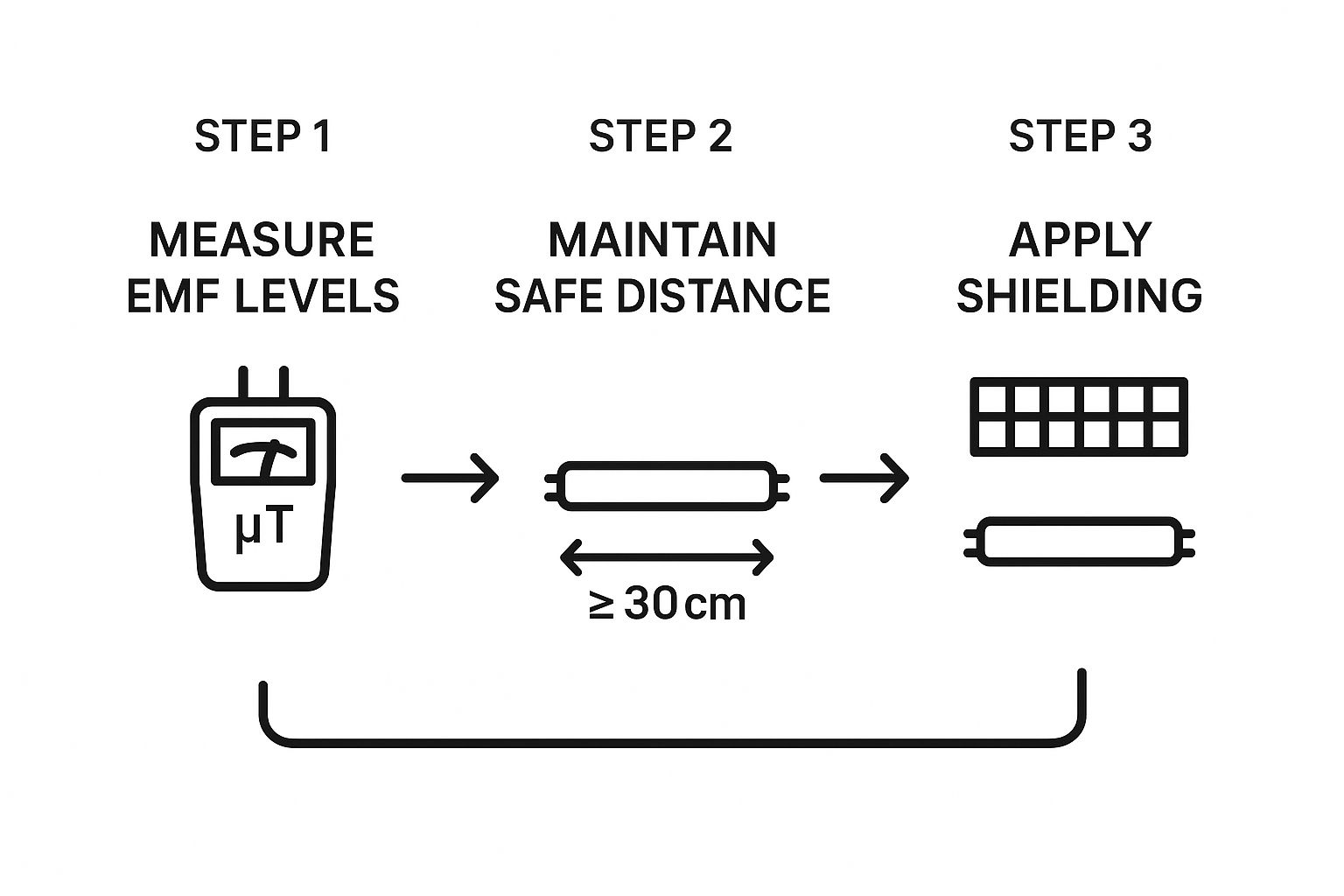
It's a good reminder that it's not just about the light. Managing your physical distance from these fixtures and using diffusers can also lessen their impact on your environment.
While orange lenses are your heavy-hitter for sleep prep, amber blue light glasses are your tool for relaxation. Wearing them in the evening creates a warmer, calmer visual environment, kind of like the soft glow of a sunset.
This subtle shift helps your nervous system switch from a state of high alert to one of rest and digest. It's an easy way to turn down the mental noise, making it easier to de-stress and prepare your mind for a peaceful night.
Pairing your blue light blocking glasses with a few other smart sleep habits creates a holistic approach that truly works. Here are the essentials:
To create a structured routine that works for you, try following a simple timeline. A good evening wind-down can make all the difference between a restless night and deep, rejuvenating sleep.
| Time Before Bed | Activity | Key Benefit |
|---|---|---|
| 2-3 Hours | Put on your orange blue light blocking glasses. Dim the lights in your home. | Blocks artificial light, allowing natural melatonin production to begin. |
| 1-2 Hours | Stop working, scrolling, or watching intense TV. Read a physical book or listen to calm music instead. | Reduces mental stimulation and helps your brain shift into a relaxed state. |
| 1 Hour | Tidy up your space for the next day. Maybe take a warm (not hot) bath or shower. | Creates a sense of calm and completion, while a warm bath can help lower body temperature for sleep. |
| 30 Minutes | Practice gentle stretching, deep breathing, or a short meditation session. | Actively lowers your heart rate and releases physical tension from the day. |
| Bedtime | Get into a cool, dark room. Avoid looking at your phone one last time. | Provides the optimal environment for your body to fall asleep and stay asleep. |
By consistently following these steps, you're not just hoping for good sleep—you're actively building the foundation for it, night after night.
For more deep dives into the science of light and practical tips for better living, be sure to check out our collection of resources.
Being stuck under harsh artificial light all day, especially the kind from fluorescent bulbs, can leave your nervous system stuck in "on" mode. It's a low-level but constant stimulation that adds to feelings of stress and anxiety, making it tough to truly switch off when the day is done.
To counteract this, you need to be intentional about helping your body and mind shift gears. Thankfully, a few powerful and surprisingly simple techniques can make a world of difference. By creating a calmer sensory environment and adopting a few relaxation habits, you can effectively turn down the mental noise and give your nervous system a much-needed break.
One of the easiest yet most effective ways to signal to your brain that it's time to unwind is to change the light you're seeing. Slipping on a pair of amber blue light blocking glasses in the evening instantly creates a warmer, more soothing visual world, much like the soft glow of a sunset.
This gentle filtering of harsh blue light helps your nervous system transition out of that high-alert, "daytime" state. By softening your surroundings, amber lenses dial down the feelings of stress and anxiety, making it far easier to relax after a long day under stimulating lights. Think of it as the first simple step toward a more peaceful evening.
It's an effortless way to create a personal sanctuary of calm light. By filtering the specific wavelengths that keep you overstimulated, amber glasses help promote a state of genuine relaxation, preparing your mind and body for restorative rest.
Having a toolkit of relaxation techniques is key to managing the pressures of modern life. Amber glasses are a fantastic starting point, but when you pair them with other proven methods, you create a powerful strategy for truly winding down.
Here are four of the best ways to reduce stress and find some calm in your evenings:
A lot of people ask if they really need blue light glasses, especially if they don’t feel that classic digital eye strain. It’s a great question, but the answer is a resounding yes. The damage from fluorescent lights and screens to your sleep cycle often happens under the radar.
Think of it as preventative care for your sleep. Even if your eyes feel fine, that blue light exposure in the evening is quietly telling your brain to stop producing melatonin. This leads to shallower sleep, which chips away at your mood and energy the next day. It’s a cumulative effect, and you might not notice the problem until you’re already deep in it.
While both are fantastic tools, they have different jobs. It really comes down to when you're using them.
Amber lenses are your go-to for daytime use. They filter just enough blue light to take the edge off harsh fluorescent office lighting and computer screens, all without making your world look too strange. They’re perfect for easing eye strain and helping you wind down as your workday wraps up.
Orange lenses, on the other hand, are the heavy hitters. They’re designed for maximum protection, blocking nearly all blue light and even some green light. This makes them the ideal choice for the 1-3 hours before you plan to go to sleep. Their job is to fiercely guard your melatonin production, setting the stage for deep, restorative rest.
So, think of it this way: amber is for all-day comfort, and orange is for serious nighttime sleep prep.
Night mode settings on phones and computers are a good start, but they’re far from a complete solution. They only dim the blue light coming from that one device, leaving you exposed to everything else.
What about the overhead fluorescent lights, the TV across the room, or other glowing electronics? Your eyes are still getting blasted with sleep-disrupting signals from all angles. Blue light blocking glasses create a protective bubble around you, shielding you from your entire environment. This consistent, warm-hued signal is what truly tells your brain it’s time to power down and get ready for incredible sleep.
Ready to protect your eyes and finally get the sleep you deserve? The team at Element Lux has engineered the perfect solution. Our scientifically-designed blue light blocking glasses filter out the exact wavelengths that cause eye strain and wreck your natural sleep cycle.
